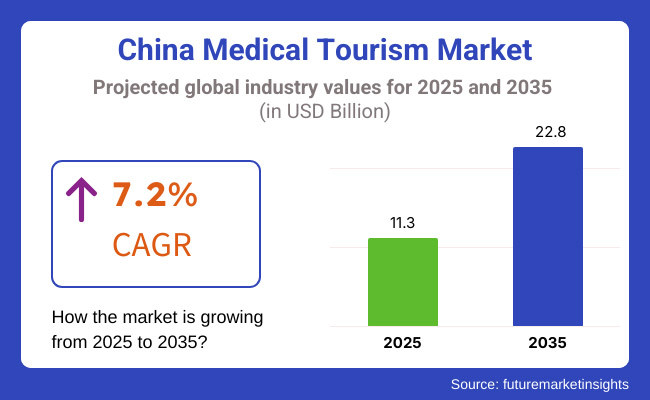

As China’s inbound travel rebounds and global demand for affordable, high-quality maternity care grows, more international expecting parents are choosing China for their childbirth journey. In 2025, China recorded 82 million inbound foreign visits (up 26.4% year-on-year), with medical tourism — including maternity care — as one of the fastest-growing segments. Foreign patient visits to China’s key international hospitals jumped 73.6% from pre-pandemic levels, with maternity-related visits rising over 60% year-on-year, driven by unbeatable cost savings, top-tier medical facilities, and flexible visa options for international families.
This guide covers everything you need to know about giving birth in China: visa rules, maternity package costs, top hospitals, booking processes, legal requirements, and postpartum care.
1. Why Choose China for Your Maternity Care?
China stands out as a top maternity destination for international families for 6 core reasons:
- Unbeatable cost savings: Premium maternity packages cost 1/3 to 1/4 of US/European prices, with savings up to 78% vs. American hospitals.
- World-class medical standards: Top Tier-3 Class A and JCI-accredited hospitals have board-certified obstetricians, 24/7 NICU/ICU support for high-risk pregnancies, and AI-assisted prenatal screening for more accurate fetal anomaly detection.
- No long waitlists: Lock in a delivery slot even in your late second/early third trimester (no months-long waits common in Western countries).
- Integrated care: Full end-to-end support from prenatal checks to delivery, plus optional TCM postpartum recovery and professional confinement care.
- International-friendly services: Full English support, dedicated patient coordinators, and culturally sensitive care at all top hospitals.
- Flexible long-stay options: Eligible visa routes let you stay for your full pregnancy, delivery, and postpartum recovery.
2. Maternity Packages & Cost Comparison
💡 Exchange Rate Reference: 1 USD ≈ 7.2 CNY (March 2026)
| Hospital Tier | Package Type | Core Inclusions | China Price (USD) | US Equivalent (USD) | Max Savings |
|---|---|---|---|---|---|
| Public Standard Ward | Basic Vaginal Delivery | 3-day ward stay, routine delivery, 24/7 maternal/newborn care | $1,800–3,500 | $8,000–15,000 | 78% |
| Public Standard Ward | Standard Cesarean Section | 5-day ward stay, cesarean surgery, pre/post-op care | $3,500–6,000 | $15,000–30,000 | 77% |
| Public VIP/International Dept | Vaginal Delivery Bundle | Private suite, dedicated obstetrician, full standard prenatal care, 3-day stay | $4,000–8,000 | $10,000–20,000 | 60% |
| Public VIP/International Dept | Cesarean Section Bundle | Private suite, dedicated obstetrician, full prenatal care, 5-day post-op stay | $7,000–12,600 | $18,000–35,000 | 64% |
| Private JCI-Accredited Hospital | Premium Maternity Bundle | LDRP suite, Western-trained bilingual doctors, epidural access, 24/7 NICU standby, postpartum rehab | $10,000–28,000 | $30,000–60,000 | 67% |
| Private JCI-Accredited Hospital | Luxury Full-Service Bundle | VIP prenatal care, delivery, 28-day confinement center stay, 24/7 nursing, dedicated interpreter/concierge | $14,000–42,000+ | $50,000–100,000+ | 72% |
| Add-Ons (All Tiers) | Advanced Prenatal Care | NIPT, genetic screening, high-risk pregnancy monitoring, nutrition counseling | $3,500–7,000 | $7,000–15,000 | 53% |
| Add-Ons (All Tiers) | Postpartum Recovery | Pelvic floor repair, lactation consulting, TCM wellness | $350–1,500 | $800–3,000 | 55% |
3. Top Hospitals for International Maternity Patients
We’ve curated trusted hospitals with dedicated international services for foreign expecting parents:
| City | Hospital Name | Tier/Accreditation | Core Specialty |
|---|---|---|---|
| Beijing | Peking Union Medical College Hospital | Tier-3 Class A | China’s top hospital for high-risk pregnancy management |
| Beijing | United Family Healthcare | JCI-Accredited | Premium private care, 75% expat market share, Level III NICU |
| Shanghai | Red House Hospital (Fudan University) | Tier-3 Class A | China’s leading specialized obstetrics & gynecology hospital |
| Guangzhou | First Affiliated Hospital, Sun Yat-sen University | Tier-3 Class A | Top maternity hub in South China |
| Shenzhen | HKU-Shenzhen Hospital | Tier-3 Class A | Hong Kong-style care, full English support |
| Chengdu | West China Second University Hospital | Tier-3 Class A | Southwest China’s top obstetrics center for high-risk cases |
| Sanya | Sanya Maternal and Child Health Hospital | Tier-3 Class A | Mild year-round climate, ideal for prenatal/postpartum recovery |
🔗 View Full Maternity Hospital Directory →
4. Step-by-Step Booking & Delivery Process
The most critical step to secure your delivery in a Chinese hospital is Jian Ka (official pregnancy medical record establishment) — this is a mandatory procedure to lock in a delivery bed, and it is best completed in your first or second trimester. Below is the standard hospital process for international patients:
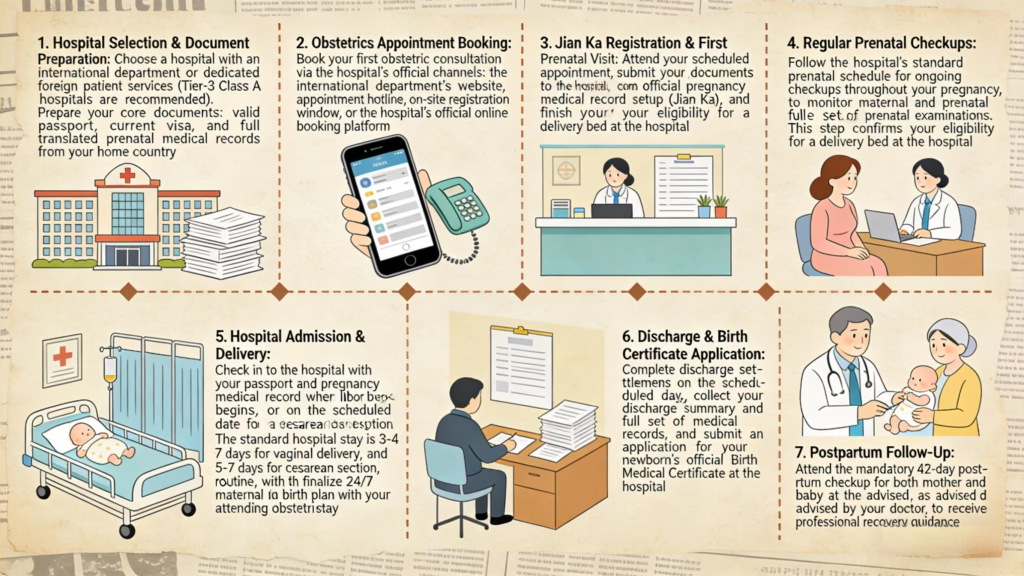
- Hospital Selection & Document Preparation: Choose a hospital with an international department or dedicated foreign patient services (Tier-3 Class A hospitals are recommended). Prepare your core documents: valid passport, current visa, and full translated prenatal medical records from your home country.
- Obstetrics Appointment Booking: Book your first obstetric consultation via the hospital’s official channels: the international department’s website, dedicated appointment hotline, on-site registration window, or the hospital’s official online booking platform.
- Jian Ka Registration & First Prenatal Visit: Attend your scheduled appointment, submit your documents to the hospital, complete the official pregnancy medical record setup (Jian Ka), and finish your first full set of prenatal examinations. This step confirms your eligibility for a delivery bed at the hospital.
- Regular Prenatal Checkups: Follow the hospital’s standard prenatal schedule for ongoing checkups throughout your pregnancy, to monitor maternal and fetal health, and finalize your birth plan with your attending obstetrician.
- Hospital Admission & Delivery: Check in to the hospital with your passport and pregnancy medical record when labor begins, or on the scheduled date for a cesarean section. The standard hospital stay is 3-4 days for vaginal delivery, and 5-7 days for cesarean section, with routine 24/7 maternal and newborn care provided during your stay.
- Discharge & Birth Certificate Application: Complete discharge settlement procedures on the scheduled day, collect your discharge summary and full set of medical records, and submit an application for your newborn’s official Birth Medical Certificate at the hospital.
- Postpartum Follow-Up: Attend the mandatory 42-day postpartum checkup for both mother and baby at the hospital, as advised by your doctor, to receive professional recovery guidance.
Pro Tips: For popular top-tier hospitals, complete your first appointment and Jian Ka registration 2-3 months in advance (ideally by week 8-10 of pregnancy). Avoid scheduling your delivery around Chinese New Year (Jan/Feb) and National Day (Oct) holidays, as hospitals have limited staffing during these periods.
The most critical step is Jian Ka (medical record establishment) — mandatory to secure a delivery spot, best completed in your first/second trimester.
- Free Pre-Consultation: Share your pregnancy week, medical history, and care needs with our team (15 mins)
- Customized Recommendation: We’ll match you with the right hospital, package, and obstetrician
- Pre-Approval & Booking: Submit your passport, medical records, and pay a 30-50% deposit to lock in your bed and doctor
- Jian Ka Registration: Complete in-person medical record setup and your first prenatal appointment on arrival
- Ongoing Prenatal Care: Follow the standard checkup schedule through your pregnancy
- Delivery & Hospital Stay: 3-4 days for vaginal delivery, 5-7 days for cesarean section
- Discharge & Documentation: Complete discharge procedures and apply for your baby’s Birth Medical Certificate
- Postpartum Follow-Up: 1-on-1 doctor review and recovery guidance
Pro Tips: Book top hospitals 2-3 months in advance (by week 8-10 of pregnancy); avoid Chinese New Year and National Day holidays for fewer staffing limits.
5. Payment & Insurance Details
Accepted Payment Methods
- International departments/private hospitals: Alipay, WeChat Pay, UnionPay, Visa/Mastercard, international bank transfers
- Public standard wards: RMB cash or Chinese bank cards only
Insurance Guidance
- Direct billing: Available at United Family, Raffles Hospital, and select public international departments
- Reimbursement: Most public hospitals require upfront self-payment; we’ll provide all translated documents for you to file claims with your international insurer (Aetna, Cigna, Allianz, Bupa, etc.)
- Critical Note: Verify 10-12 month waiting periods, maternity coverage limits, and newborn coverage before arrival. Add your baby to your policy within 30 days of birth.
6. Language Support Services
No language barriers with these options:
- Hospital International Departments: All Tier-3 top hospitals have English-speaking doctors, nurses, and admin staff for end-to-end support
- Dedicated Medical Interpreters: Our team can arrange professional medical interpreters to accompany you to all appointments and delivery (guaranteed zero miscommunication for high-risk cases)
- AI Translation Tools: Most top hospitals use AI tools to generate English versions of your medical reports and records
- Document Translation: Professional translation and notarization for birth certificates, medical records, and insurance claims
7. Visa, Legal & Travel Tips
| Visa Type | Suitability for Childbirth | Core Rules |
|---|---|---|
| S2 Visa (Short-Term Private Affairs) – RECOMMENDED | ✅ Optimal for childbirth | – Initial stay up to 180 days, covering late pregnancy to early postpartum – Extendable via “humanitarian reasons” (pregnancy/postpartum recovery) with hospital certification: 90 days per extension, total stay up to 1 year – Flexible application under “other private affairs” (e.g., accompanying childbirth) – Can convert to a long-term private affairs residence permit if needed |
| L Visa (Tourist Visa) | ❌ NOT suitable for childbirth | – Initial stay only 30-90 days, unable to cover the full 3-6 month pregnancy/postpartum cycle – Extension requires tourism-related proof (travel itinerary, hotel bookings); “childbirth” as a reason will likely be rejected – Total extended stay cannot exceed the original visa’s stay period (e.g., 30-day original = max 30 extra days) |
S2 Visa Application & Extension Tips
- Application Materials: For pregnancy-related applications, submit a hospital pregnancy test report, spouse’s ID, and an invitation letter stating your purpose is childbirth/accompanying childbirth
- Extension Timing: Submit your application 7 days before your S2 visa expires, with hospital certification and a written extension reason
- Critical Warning: Avoid overstaying — fines start at 500 RMB per day (max 10,000 RMB), with possible deportation and future entry bans. If you hold an L visa, you can convert to an S2 visa before expiration with valid private affairs documentation.
Other Key Details
- Recommended Stay: Arrive 2-4 weeks before your due date; allow 4-6 weeks after birth for document processing (total 6-8 weeks for short trips)
- Best Travel Window: Arrive at 28-32 weeks for low-risk pregnancies; avoid long-haul flights after 36 weeks (singleton) or 32 weeks (multiple pregnancies)
- Mandatory Documents: Valid passports for both parents, notarized translated marriage certificate (if required), full prenatal medical records
- Nationality Clarification: A baby born in China to two non-permanent foreign parents does NOT automatically get Chinese nationality. Your baby’s citizenship is determined by your home country’s laws; you’ll apply for their passport/travel document at your home country’s embassy in China.
- Insurance: Mandatory to buy international travel medical insurance covering maternity, newborn care, pregnancy complications, and emergency evacuation.
8. Prenatal & Postpartum Care Tips
Standard Prenatal Checkup Timeline
| Gestational Week | Key Checks |
|---|---|
| 8-12 | Confirmation ultrasound, blood tests, Jian Ka registration |
| 12 | NT scan, initial screening |
| 16-20 | Quad screen/amniocentesis (if needed) |
| 20-24 | Detailed anatomy scan |
| 24-28 | Glucose tolerance test (gestational diabetes screening) |
| 28-36 | Bi-weekly checkups |
| 36-40 | Weekly checkups, birth plan finalization |
Pre-Arrival Checklist
✅ Translate all your prenatal medical records into English/Chinese
✅ Get a fitness-for-travel certificate from your home doctor before long flights
✅ Confirm your hospital’s admission requirements and document checklist in advance
✅ Bring original and copied passports, visas, and marriage certificates
Postpartum Care
- Complete your 42-day postpartum checkup before booking long-haul return flights
- Keep all medical records and the original Birth Medical Certificate with digital backups
- Optional: Traditional Chinese “Zuo Yue Zi” (confinement care) — 30-42 day structured recovery with specialized meals, 24/7 nursing, and TCM wellness, available at professional confinement centers across China ($3,000–10,000 for 28 days)
9. Frequently Asked Questions
Q: Can I give birth in China on a tourist visa?
A: While technically allowed, a tourist (L) visa is not suitable for childbirth due to short stay limits and strict extension rules. We strongly recommend the S2 private affairs visa for your trip.
Q: Will my baby get Chinese citizenship if born in China?
A: No. A baby born to two non-permanent foreign parents will not automatically receive Chinese nationality. Their citizenship is determined by your home country’s laws.
Q: Can I get an English birth certificate for my baby?
A: The official hospital-issued Birth Medical Certificate is in Chinese. We provide professional translation, notarization, and consular legalization for international use.
Q: Is epidural available in Chinese hospitals?
A: Yes. Epidural anesthesia for painless delivery is widely available 24/7 at all international departments and private maternity hospitals.
Q: Can my partner be present during delivery?
A: Yes, at all VIP/international departments. Some public standard wards have restrictions, so confirm with your hospital in advance.
10. MedChinaGuide.com Professional Services
Having a baby in a foreign country can be overwhelming — we’re here to make it stress-free, with hundreds of 5-star reviews from international families:
“The team supported me from start to finish, connecting me with top specialists, handling all booking and translation, and making my delivery in China smooth and confident. Truly outstanding service!”
— Russian expat patient, 2026
Our full services include:
✅ Guaranteed hospital booking and Jian Ka registration support with 500+ top Tier-3 hospitals
✅ Full-process medical interpretation for appointments and delivery
✅ Birth certificate translation, notarization, and embassy document support
✅ Visa consultation, airport transfers, and hotel booking with exclusive discounts
✅ Prenatal/postpartum health guidance from bilingual obstetric experts
✅ Confinement center booking and customized postpartum care
🔗 Contact Us Now for Your Stress-Free Birth Journey →
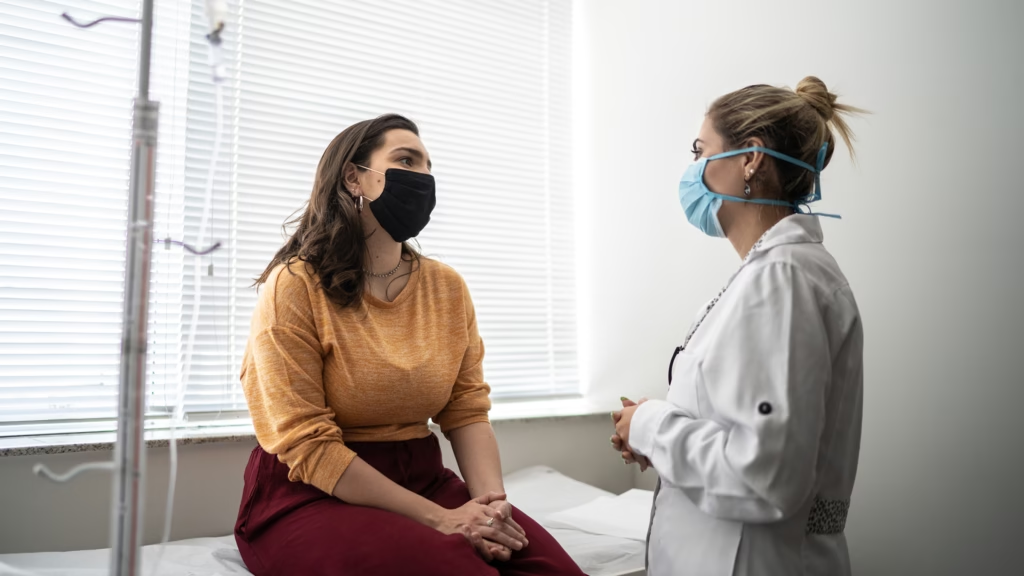
11. Supplementary Guide: Abortion Services in China for Foreigners
For reference only. Services are only provided by licensed, qualified medical institutions in compliance with Chinese law. This is not the primary focus of this guide.
I. Core Legal Principles
- Equal Jurisdiction: Foreign nationals are subject to China’s laws on abortion, with no nationality-based exceptions.
- Regulatory Framework: Governed by:
- Law of the People’s Republic of China on the Protection of Rights and Interests of Women(2023 Revision)
- Maternal and Infant Health Care Law of the PRC
- Criminal Law of the PRC(penalties for illegal practices)
II. Eligibility & Procedures by Gestational Stage
| Stage | Gestational Weeks | Eligibility Criteria | Authorized Hospitals | Cost Range (USD) |
|---|---|---|---|---|
| Early (≤14 weeks) | <14 | Voluntary consent (written); ≥18 years old (minors require guardian consent). | Hospitals with obstetric qualifications | 150–800 |
| Mid (14–27 weeks) | 14–27 | Medical necessity (e.g., fetal anomalies, maternal health risks) or sexual assault. | Grade III Class A hospitals | Self-funded |
| Late (≥28 weeks) | ≥28 | Confirmed fatal fetal defects or direct maternal life threat (requires 3+ specialist approvals). | Provincial tertiary hospitals | Not permitted* |
Note: In China, late-term abortions are only allowed under extreme medical circumstances and are not accessible for non-medical reasons.
III. Risks & Prohibited Activities
- Illegal Practices:
- Unlicensed clinics: Up to 10+ years imprisonment under Criminal Law.
- Sex-selective abortion: Permanent revocation of medical licenses + criminal/civil penalties.
- Non-consensual procedures: Liability for damages + administrative sanctions.
- Foreigner-Specific Risks:
- Using unlicensed services risks deportation, entry bans, or future visa complications.
- Falsifying documents may lead to criminal charges (e.g., forgery).
IV. Practical Guidance for Foreigners
- Documentation:
- Valid passport, visa/residence permit.
- Medical records (ultrasound, lab tests) matching gestational stage requirements.
- Hospital Selection:
- Prefer Tier-3 hospitals with international departments (e.g., Peking Union Medical College Hospital).
- Confirm bilingual consent forms and English-speaking staff availability.
- Post-Procedure Care:
- Mandatory 1-week follow-up.
- Follow doctor’s instructions to avoid complications (e.g., infection, bleeding).
V. Alternatives & Support
- Cross-Border Options: Consider Thailand, the U.S., or other countries with liberalized abortion laws.
- Emergency Assistance: Contact local NGOs (e.g., International Planned Parenthood Federation) for counseling.
Final Note: Prioritize legal compliance to avoid health and legal risks. Verify hospital credentials and retain all medical records.
⚠️ Disclaimer: This is for reference only and does not constitute legal or medical advice. Consult qualified professionals for your specific situation.
Data Sources: National Health Commission of China, National Immigration Administration, hospital official websites, embassy guidelines, MedChinaGuide industry research