Feeling unwell in China and need medicine? This no-nonsense guide cuts through the confusion. We cover exactly how international patients can safely buy both prescription and over-the-counter drugs, from hospital visits to trusted apps like JD.com, with clear steps to avoid risks.
Let’s be honest: getting sick abroad is stressful. Figuring out where to get safe, legitimate medicine in China adds another layer of anxiety. You might wonder: Can I use my home country prescription? What’s the difference between a hospital and a street pharmacy? Are the online delivery apps reliable?
Relax. China’s healthcare system is robust and accessible. The key is knowing the rules and the right channels. This guide isn’t just a list of options—it’s a roadmap built on practical advice for international patients. We’ll walk you through the four safest avenues to get the treatment you need, so you can focus on feeling better, fast.
1. Hospitals & Clinics: The Gold Standard for Diagnosis & Prescriptions
When to go: For anything beyond a simple cold or minor ache—especially if you need a diagnosis, stronger medication, or specialist care.
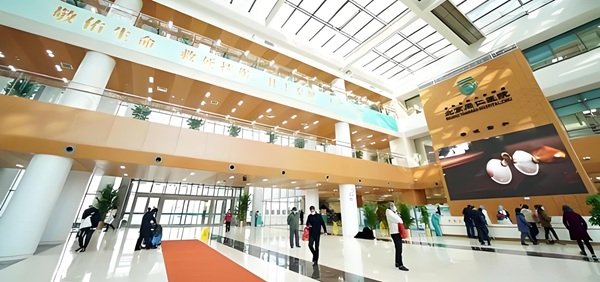
This is your safest starting point. Chinese hospitals, especially major public ones, have in-house pharmacies that dispense medications directly after your consultation. It’s a seamless, closed-loop system.
Why This Route is Best for Serious Concerns:
- Accurate Diagnosis: Stop guessing with “Dr. Google.” A licensed physician can properly assess you, which is crucial before taking any medication.
- Legitimate Prescriptions: In China, antibiotics, strong painkillers, and most chronic disease medications require a prescription from a Chinese doctor. Your home country prescription is generally not valid for dispensing medication here.
- Guaranteed Authenticity: Hospital pharmacies are tightly regulated. The medicine you get is the real deal.
- Pro Tip for International Patients: Seek out hospitals with an “International Department” (often called VIP or 国际医疗部). Staff there usually speak English, the process is streamlined, and they’re experienced in guiding foreign patients.
2. Licensed Street Pharmacies: For Common, Over-the-Counter (OTC) Needs
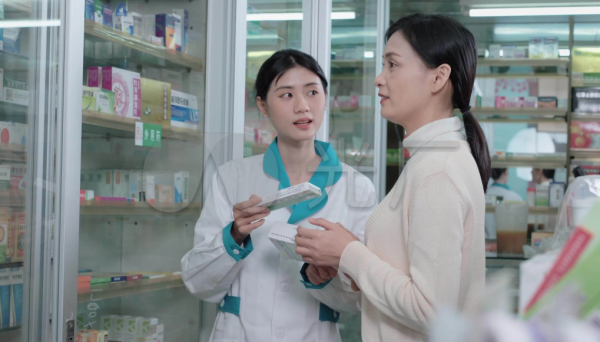
When to go: For common ailments like headaches, allergies, heartburn, or seasonal colds where you know exactly what you need.
You’ll see these everywhere—chains like Guoda (国大药房), Yifeng (益丰大药房) or Lao Bai Xing (老百姓大药房). They are legitimate and sell a wide range of OTC drugs.
Your Game Plan for a Pharmacy Visit:
- Spot a Licensed Shop: Look for the official green cross sign and a business license on the wall. The pharmacist should be in a white coat.
- Use Simple English & Visuals: Describe your symptom simply (“fever,” “cough,” “stomach pain”). Use a translation app or even a picture of the active ingredient you need (e.g., “Ibuprofen”).
- Always Ask for the Receipt (发票 fāpiào): This is your proof of purchase from a legitimate source.
- 24/7 Options Exist: In bigger cities, many pharmacies rotate on-call hours. Search “24 hour pharmacy near me” on your map app.
3. Online Pharmacies (JD & Meituan): Game-Changing Convenience
This is where China shines. For OTC medicines, ordering online via major platforms is incredibly fast, reliable, and safe. This is often the most convenient option for international patients.
The Two Giants: JD Pharmacy vs. Meituan Pharmacy
| Platform | Best For | Delivery Speed | International Patient Tip |
|---|---|---|---|
| JD Pharmacy | Wider selection, bulk buying, health supplements. Think “Amazon for health.” | Next-day or same-day in major cities. | Website has a better English interface. Easier to search for international brand names. |
| Meituan Pharmacy | Immediate needs. Integration with the Meituan/美团 app for food delivery. | Super fast! Often 30 minutes or less. | Use the Meituan app. You can translate the medicine categories. Perfect for sudden fevers or aches at night. |
Golden Rules for Online Safety:
- Stick to the Big Names (JD, Meituan, Alibaba Health): They are fully licensed and their supply chains are audited. Avoid unknown websites or too-good-to-be-true deals on social media.
- OTC Only Online: By law, prescription drugs cannot be sold online directly to consumers. Any site offering to sell you antibiotics or serious meds without a prescription is operating illegally and is a major red flag.
- Inspect Upon Delivery: Check the packaging, expiry date, and ensure seals are intact before you accept the delivery.
4. Critical Knowledge: Customs, Fakes & What to Avoid
Can You Take Medicine Back Home?
This is crucial. China’s customs and your home country’s regulations both apply.
- For Personal Use: You can usually take a reasonable quantity (e.g., a 30-90 day supply) with you. Keep it in its original packaging with the pharmacy label.
- Prescription is a Must: Always carry the original Chinese prescription and a doctor’s note (in English is best) for any prescription medication you are transporting.
- Check Banned Substances: Some common Chinese OTC or herbal medicines may contain ingredients banned in your country (e.g., pseudoephedrine in some cold pills). Research your home country’s customs website (e.g., FDA, TGA, etc.) before traveling back.
The Counterfeit Risk & How to Minimize It
The risk is low in the channels we’ve recommended, but vigilance is wise.
- Red Flags: Extremely low prices, poor packaging, misspellings on the box, missing holograms or batch numbers, or sellers in street markets.
- Your Best Defense: Use the official channels listed above (Hospitals, Licensed Pharmacies, JD, Meituan). Period.
A Special Note on Traditional Chinese Medicine (TCM)
TCM is a regulated part of healthcare in China. If you wish to try it:
- Consult a Licensed TCM Doctor: Don’t self-prescribe herbs. Visit a reputable TCM hospital or clinic for a proper consultation.
- Declare at Customs: Dried herbs, roots, or powders can look suspicious on an X-ray. Declare them and have your prescription ready.
Your Quick-Action FAQ
Q: My hotel is in central Shanghai and I have a terrible migraine at 10 PM. What’s the fastest option?
A: Open the Meituan (美团) app, go to the pharmacy section, search for your painkiller (e.g., “Ibuprofen” or its Chinese name “布洛芬”), and order. You’ll likely have it at your door in under 30 minutes.
Q: I take a regular prescription medication. Can I get a refill in China?
A: Yes, but you must see a Chinese doctor first. Bring your overseas medical records and prescription. The doctor will assess you and, if appropriate, issue a local prescription you can fill at a hospital pharmacy.
Q: Is it safe to buy medicine from a “convenience store” or supermarket?
A: Only for very basic items like bandaids or vitamins. For any actual drug, no. Go to a licensed pharmacy.
Q: What’s the one thing I should always have with me when buying medicine?
A: Your passport. Pharmacies are required by law to scan your ID for certain medications, and it’s good practice for any purchase.
Bottom Line: When in doubt, start with a doctor or a major online platform. Your health isn’t worth the risk of a shortcut.