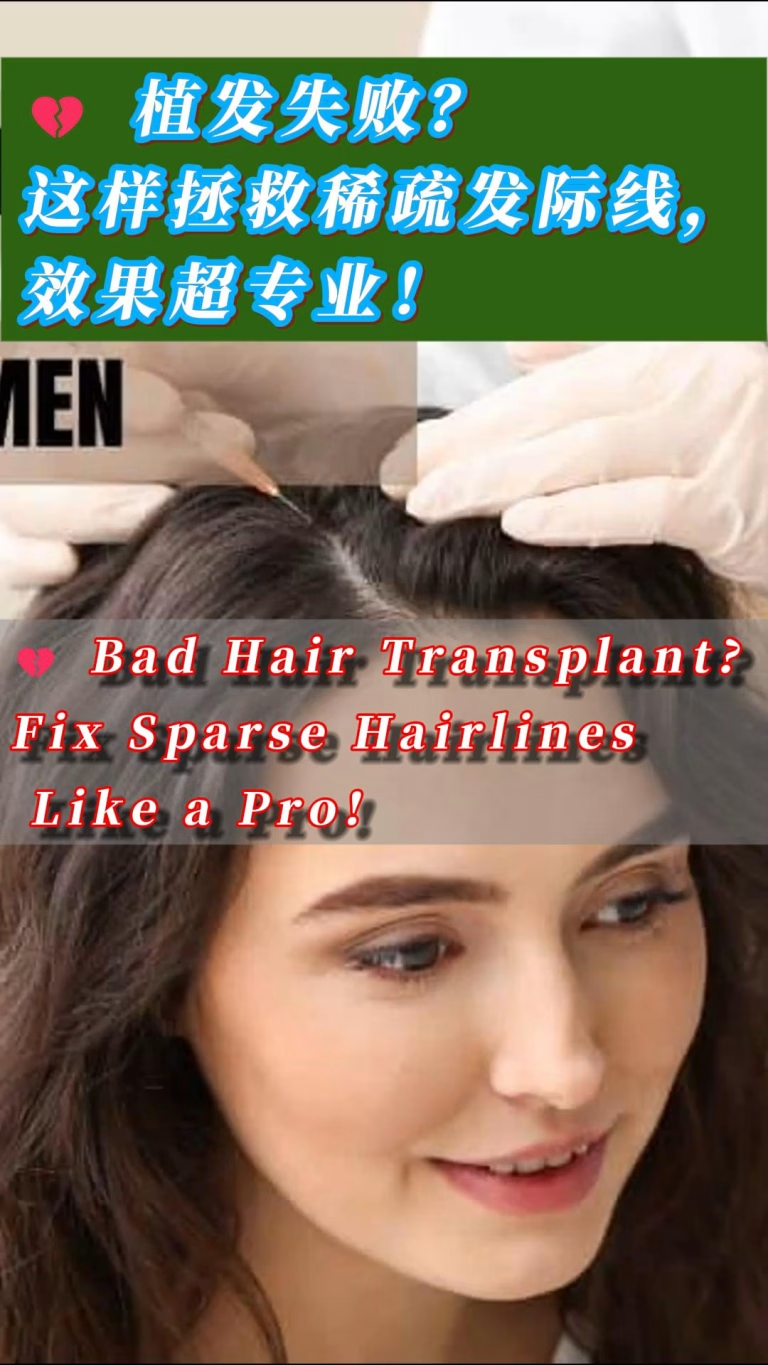

Before you book a procedure, it’s critical to understand hair transplant risks—not just the advertised benefits. Many clinics overlook key safety factors, from donor hair preservation to surgeon expertise, that can impact your results.
Are you considering a hair transplant to regain confidence? While modern techniques offer impressive results, not all clinics or surgeons are created equal. Many risks—from minor side effects to life-altering complications—often go unmentioned. Let’s break down the hidden dangers and expert strategies to protect yourself.
1. Common Surgical Risks (Generally Mild & Temporary)
Hair transplants are generally safe, but no surgery is risk-free. Here’s what to expect and how to manage it:
Typical Side Effects (Resolve Within Days/Weeks):
- Minor Bleeding & Oozing: Small amounts of blood or fluid from the graft sites are normal in the first 24–48 hours. Apply gentle pressure with sterile gauze if needed.
- Swelling & Bruising: Swelling around the forehead, eyes, or donor area is common due to fluid retention. Cold compresses and sleeping with your head elevated can help reduce discomfort.
- Itching & Scabbing: As the scalp heals, you may experience itching and crusts around the grafts. Do not scratch—this can dislodge the follicles. Use a saline spray or gentle, fragrance-free shampoo as directed by your surgeon.
- Mild Pain: Most patients report discomfort similar to a sunburn, managed with over-the-counter pain relievers like paracetamol. Avoid aspirin or ibuprofen, which can increase bleeding risk.

Temporary Shock Hair Loss
Within 2–4 weeks post-surgery, some transplanted hairs may fall out. This is normal and happens because the follicles enter a resting phase before regrowing. New hair typically starts emerging at 3–4 months, with full results visible by 12 months.
Rare but Serious Complications (<1% Risk):
- Infection: Symptoms include fever, severe swelling, pus, or spreading redness. Left untreated, infections can lead to sepsis or tissue necrosis (dead skin). Always follow your surgeon’s antibiotic regimen and report any concerning signs immediately.
- Excessive Bleeding: Uncommon but more likely in patients with blood disorders or those taking blood-thinning medications. Surgeons typically use sutures (for FUT) or precise techniques (for FUE) to minimize this risk.
- Excessive Scarring: Poor surgical technique, especially with older FUT methods, can result in visible linear scars. Modern FUE leaves tiny, nearly invisible dots, but scarring may still occur in some cases.
When evaluating reputable hair transplant clinics, always ask about their protocols to minimize hair transplant risks.
2. Major Risks at Unregulated Clinics
The biggest dangers lie in non-medical facilities or inexperienced practitioners. These risks are often overlooked but can have lifelong consequences:
1. Higher Infection Rates (Due to Non-Sterile Conditions)
- Why It Happens: Unregulated clinics may skip proper sterilization of tools, gloves, or surgical environments. For example, reused instruments or unsterile swabs can introduce bacteria, leading to infections that damage grafts or even cause sepsis.
- Real-Life Example: In 2025, a patient in India died after a hair transplant at a clinic using contaminated equipment. The infection spread rapidly, causing multi-organ failure.
2. Over-Harvesting Donor Follicles
- The Problem: Aggressive extraction from the donor area (usually the back/sides of the head) can leave it visibly thin or bald. Once follicles are removed, they cannot regenerate—this is permanent damage.
- Impact: A depleted donor area limits future transplants and may require risky alternatives like body hair transplants (e.g., beard or chest hair), which often have lower survival rates and unnatural texture.
3. Poor Graft Survival
- Causes: Inexperienced surgeons may damage follicles during extraction or implantation, leading to patchy results or unnatural growth patterns. For example, straight hair grafted into a naturally curly scalp can create a “doll-like” appearance.
- Red Flags: Uneven density, hair growing at odd angles, or large gaps in the transplanted area. These issues are often irreversible without a costly, complex repair surgery.

3. Critical Warning: The Irreversible Nature of Hair Transplants
This is perhaps the most overlooked risk—and the hardest to undo:
1. Limited Donor Follicles
Your donor area has a finite number of hair follicles. Each transplant uses some of these “permanent resources.” Overharvesting or multiple failed surgeries can deplete this supply, leaving you with no viable options for future restoration.
2. Failed Transplants = Few Repair Options
- Why Fixing It Is Hard: If a transplant fails due to poor technique, scarring, or donor depletion, corrective procedures are challenging. Surgeons may need to work around scar tissue or use body hair, which rarely blends seamlessly.
- Example: A patient who underwent a botched FUT surgery ended up with a visible scar and thin donor area. Subsequent attempts to repair it were unsuccessful due to insufficient healthy follicles.
Bottom Line: Treat your donor hair like a savings account—use it wisely, or you’ll run out.
4. Key Advice to Minimize Risks
Choose Licensed Medical Facilities
- Avoid Salons/Spas: Hair transplants are medical procedures, not beauty treatments. Only licensed clinics with trained surgeons and sterile operating rooms should perform them.
- Check for Certifications: Look for clinics accredited by organizations like the American Board of Hair Restoration Surgery (ABHRS). ABHRS-certified surgeons undergo rigorous exams and peer reviews to ensure expertise in follicular unit extraction (FUE), design, and complication management.
Verify Surgeon Expertise
- Ask for Credentials: Board certification in plastic surgery or dermatology is a must. Bonus: Surgeons with ABHRS certification have proven mastery in hair restoration specifically.
- Review Before/After Photos: Reputable surgeons will show you detailed case studies. Look for natural hairlines, even density, and minimal scarring.
- Beware of Red Flags:
- “Discount” pricing (quality transplants cost $3,000–$15,000+ depending on scope).
- Claims of “instant results” or “no downtime.”
- Refusal to discuss risks or past complications.
Understand Long-Term Implications
- Donor Management: A skilled surgeon will plan extractions to avoid over-harvesting. For example, FUE allows for scattered extraction across the donor area to preserve density, while FUT removes a strip of skin that may leave a visible scar if not done properly.
- Realistic Expectations: Transplants cannot change your hair’s texture (e.g., curly to straight) or stop future hair loss. Discuss long-term plans, such as medications (e.g., minoxidil) or scalp micropigmentation (SMP) for maintenance.

Final Thoughts
A hair transplant can be life-changing when done right—but cutting corners is a recipe for disaster. Prioritize safety, research your options thoroughly, and never hesitate to ask tough questions. Your hair (and health) are worth the investment.
Ready to take the next step? Consult an ABHRS-certified surgeon who prioritizes transparency, safety, and natural results. Your dream hairline is possible—without the nightmares. 🌟
Key Takeaways:
- Infection & Scarring: Sterility and technique matter—don’t settle for less.
- Donor Preservation: Treat your donor area like gold.
- Expertise Over Price: Cheap deals often lead to costly regrets.
Let’s make informed choices and grow confidence, not complications. 💪
Notes for Clarity:
- FUE vs. FUT: FUE (Follicular Unit Extraction) removes individual follicles with tiny punches, ideal for precision and minimal scarring. FUT (Follicular Unit Transplant) removes a strip of scalp, used for larger graft quantities but with higher scar risk.
- ABHRS: The only global certification body exclusively for hair restoration surgeons. Less than 300 doctors worldwide hold this credential, ensuring top-tier expertise.
- Post-Care: Strictly follow your surgeon’s instructions, including avoiding sun exposure, strenuous exercise, and smoking for at least 2 weeks post-op to maximize graft survival.
By prioritizing safety and surgeon selection, you can significantly reduce common hair transplant risks and achieve better, longer-lasting results.