Imagine this: the dental treatment that would take months of waiting and cost tens of thousands of dollars in the US or Europe could be completed in China in as little as two weeks — at half the price, or even less. This isn’t wishful thinking. It’s a real choice made by over 500,000 international patients every single year. Whether you need a single dental implant, a full set of clear aligners, or a complex full-mouth reconstruction, this guide will walk you through exactly how to achieve your goal safely, efficiently, and affordably in China.
Why China? Three Irresistible Reasons
China has become the fastest-growing destination for global dental tourism. Compared to the West, its core advantage lies in the perfect convergence of technology, affordability, and speed.
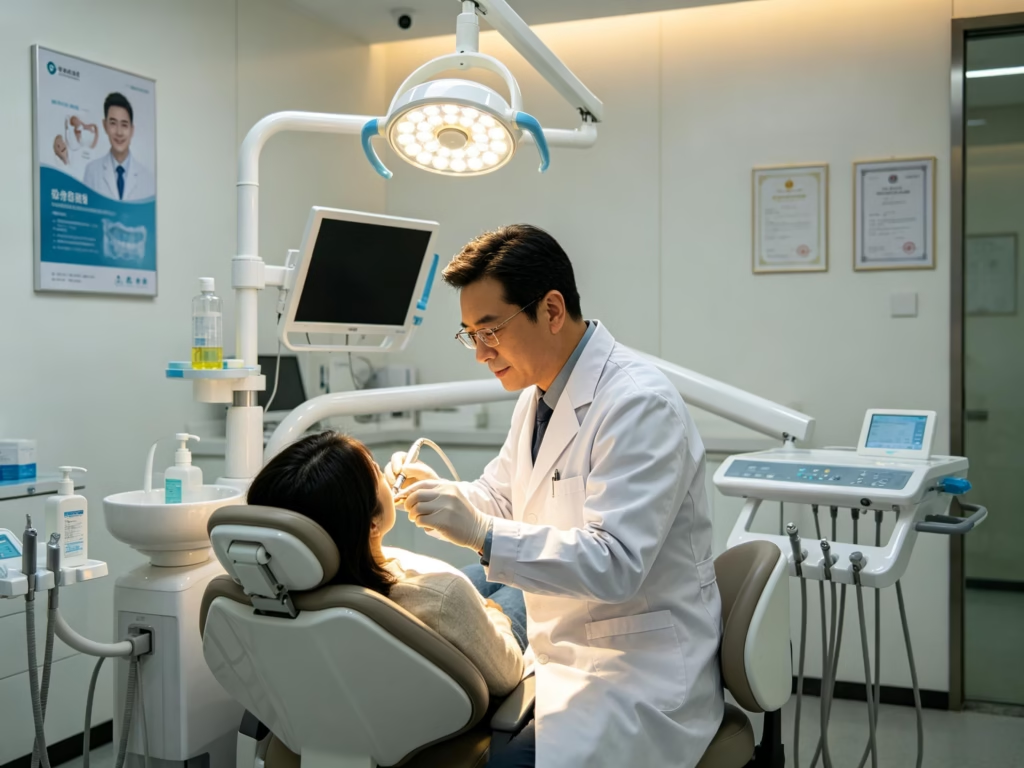
1. Unbeatable Value: Save 50%–70%
Since China implemented its bulk-buy dental implant pricing policy in 2023, dental costs have dropped significantly. In 2026, you can expect to pay as little as one-third of what you would in the US or Europe — for equal, and often superior, quality of care.
- Single Dental Implant: Total cost approximately $1,400 – $3,500. Budget-friendly brands like Dentium (Korea) start around $1,400; premium brands like Straumann ITI (Switzerland) or Nobel Biocare (Sweden) range from $2,500 to $3,500. Prices include the implant fixture, abutment, and all-ceramic crown.
- All-on-4 Half-Arch Implants: Approximately $9,500 – $20,000. In the US, the same treatment typically costs $25,000–$40,000.
- Clear Aligners (Invisible Braces): Approximately $2,100 – $6,300. Angelalign (China) offers great value; Invisalign (US) provides a more mature treatment ecosystem.
- All-Ceramic Crowns / Veneers: Approximately $280 – $700 per tooth.
Important Note: The prices above reflect 2026 market estimates and typically include pre-operative exams, the procedure itself, and basic follow-up care. Choosing China means the money you save could easily fund a more comfortable hotel stay — or even a recovery getaway.
2. World-Class Technology and Deeply Experienced Specialists
China’s leading dental centers run on the same cutting-edge equipment you’d find anywhere in the world. Here’s what you’ll encounter:
- Digital Diagnostic Equipment: German-made KaVo CBCT scanners and Danish 3Shape intraoral scanners for precision modeling and treatment planning.
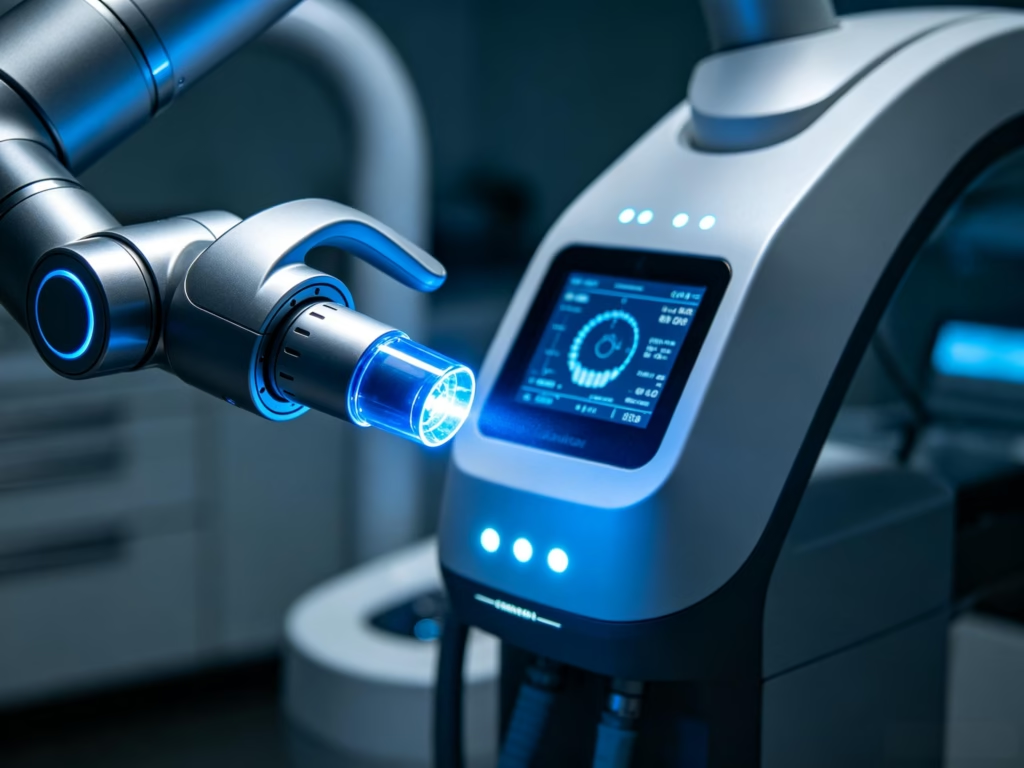
- Top-Tier Surgical Systems: Swiss Straumann (ITI) and Nobel Biocare implant systems, alongside robotic dental implant surgery systems that ensure pinpoint accuracy during placement.
- Immediate Restoration Technology: Chairside CAD/CAM systems that can fabricate and deliver temporary or permanent crowns on the same day.
What matters even more is the hands-on experience of the clinicians. China’s top dentists perform several times the annual surgical volume of their Western counterparts. Take the specialist team at Peking University School of Stomatology, for example — they handle an enormous volume of complex cases every year, which means they bring significantly deeper clinical experience to managing a wide range of scenarios.
3. Lightning-Fast Appointments — Say Goodbye to Long Waits
Speed is another major draw of Chinese medical tourism. Compared with the typical 3-to-6-month waiting periods common in the US and Europe, here’s what to expect in China:
- Consultation to Treatment: Complex procedures (such as implants) can begin within one week of your initial consultation.
- Diagnostic Efficiency: A comprehensive oral CT scan and full treatment plan can be completed in just 1–2 days.
- Same-Day Service: Basic treatments like cleanings and fillings can often be arranged on the same day.
Step 1: Visa and Travel Planning in Detail
Coming to China for dental care is simpler than you might think. Most treatments can have their core steps completed within 7–14 days.
Which Visa Do You Need?
- Tourist Visa (L Visa): Best suited for most patients whose treatment cycle is within 14 days (e.g., single implant, restoration work). No hospital invitation letter required — the fastest to process.
- Transit Visa-Free Entry: If you hold a passport from one of 54 eligible countries — including the US, Canada, the UK, Australia, and Schengen states — and have a connecting flight ticket, you can take advantage of the 144-hour transit visa-free policy in cities like Beijing, Shanghai, and Guangzhou. Ideal for short treatments of about one week.
- Private Affairs Visa (S2 Visa): Suitable for complex cases requiring an accompanying caregiver or a treatment period exceeding 14 days. The hospital can issue an invitation letter to support your application.
Sample Itineraries: 7-Day vs. 14-Day
Depending on the complexity of your treatment, here are two itinerary templates to guide your planning:
Plan A: 7-Day Efficient Implant / Restoration Journey
| Day | Core Tasks | Key Notes |
|---|---|---|
| Day 1 | Arrive in China; check into a hotel near the hospital. | Bring translated copies of your past dental records and X-rays. |
| Day 2 | Check in at the hospital; complete a full CBCT exam and other diagnostics; finalize your treatment plan with the dentist. | Sign a multilingual informed consent form. |
| Day 3 | Treatment Day (e.g., implant placement surgery). Return to your hotel to rest. | For the first 24 hours post-surgery: no rinsing, no spitting. Stick to liquids and soft foods only. |
| Day 4–5 | Post-operative recovery. Enjoy light activities such as city strolls and museum visits. | Take medications on schedule; apply ice packs to reduce swelling; avoid strenuous exercise. |
| Day 6 | Post-op check-up; suture removal (if needed); learn proper oral hygiene techniques. | Receive a post-operative care kit and an English-language care guide. |
| Day 7 | Final examination; obtain your English medical report; depart with peace of mind. | Confirm the remote follow-up arrangement for permanent crown placement in 3–6 months. |
Plan B: 14-Day Complex Treatment / Orthodontic Journey
| Day | Core Tasks | Key Notes |
|---|---|---|
| Day 1–3 | Arrive; undergo comprehensive examination and digital impressions; develop a detailed treatment plan. | Orthodontic patients will need an intraoral scan; complex implant cases require bone volume evaluation. |
| Day 4–7 | Complete the first phase of core treatment (e.g., implant placement, fitting of initial orthodontic appliances). | Adequate rest after treatment is essential; strictly follow dietary restrictions. |
| Day 8–10 | Post-operative observation; suture removal; adjustment of temporary restorations. | Communicate any discomfort to your dentist to ensure a proper, comfortable fit. |
| Day 11–13 | Final review; learn appliance wear and care routines; confirm the remote follow-up workflow. | Allow buffer time for any minor adjustments. |
| Day 14 | Receive your complete English medical records; arrange ongoing remote consultations; depart. |
How to Choose a Trustworthy Dental Hospital in China
Choosing the right provider is the foundation of a successful outcome. Use the criteria below to filter and verify your options:
The Four Golden Criteria for Selection
- Check Accreditation: Prioritize “Grade A, Class 3” (三级甲等) stomatology hospitals or the dental departments of top-tier general hospitals. This is China’s highest hospital accreditation level.
- Evaluate the Dentist: Verify the attending dentist’s practicing license, any overseas training background (e.g., fellowships in Europe or the US), and certifications from professional academies such as the International Team for Implantology (ITI).
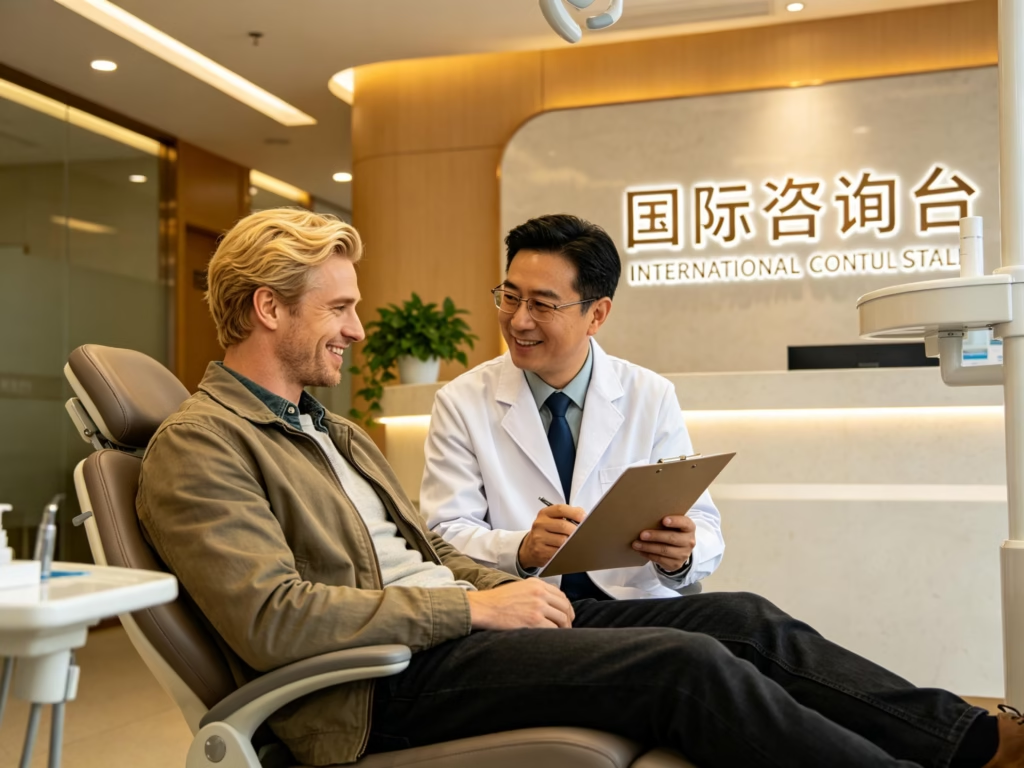
- Assess the Service: Confirm whether the hospital has an International Medical Department that offers English-language services, multilingual medical records, and direct-billing assistance for international insurance. This will dramatically improve your experience.
- Inspect the Equipment: Make sure the hospital is equipped with a full suite of digital diagnostic and treatment tools, including CBCT, intraoral scanners, and microscopic endodontic equipment.
The “3-Step Verification” Method for International Patients
- Request Three Credentials: Ask the hospital to present its Medical Institution Practicing License, the attending dentist’s Physician Practicing Certificate, and the Large Medical Equipment Configuration Permit.
- Official Verification: Visit the National Health Commission of China website (http://www.nhc.gov.cn) and use the “Medical Institution Search” portal to verify credentials independently.
- Look for Recognized Badges: Check whether the hospital displays authoritative accreditations such as JCI International Certification or designation as an ITI (International Team for Implantology) Collaborative Center.
Top Nationwide Dental Hospitals — Recommended (2026 Edition)
| City | Hospital Name | Core Strengths | International Service Highlights |
|---|---|---|---|
| Beijing | Peking University School of Stomatology | National Center for Stomatology; authority in complex implants, orthognathic surgery, and microscopic endodontics. | International Medical Department; full English-language diagnosis and treatment; supports direct billing for international health insurance; multilingual medical record system. |
| Beijing | Beijing Stomatological Hospital, Capital Medical University | Leader in immediate implants, digital full-mouth rehabilitation, and clear aligner therapy. | English-speaking patient coordinators; real-time translation devices available; assistance with international insurance claims. |
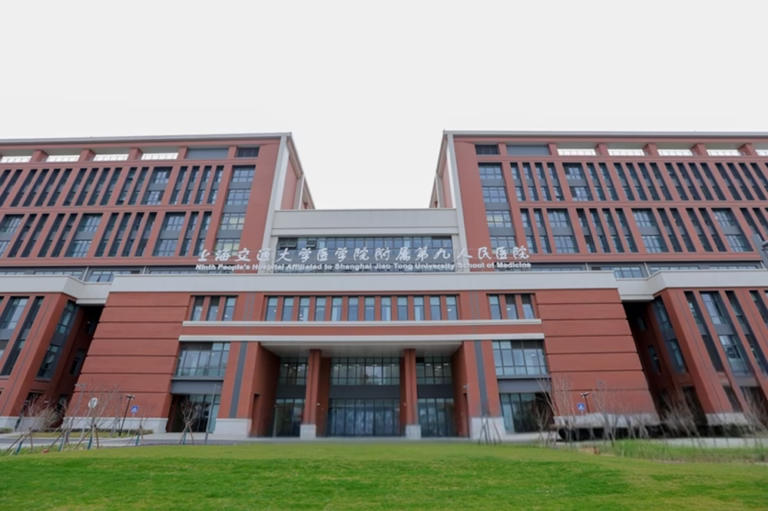
| Shanghai | Shanghai Ninth People’s Hospital, Shanghai Jiao Tong University School of Medicine | Leading center for oral and maxillofacial surgery, complex bone-graft implant cases, and combined orthodontic-orthognathic treatment. | Highly experienced International Department; dedicated interpreters; direct partnerships with major global insurers. |
| Shanghai | Shanghai Jiahui International Hospital | Premium private facility; comfort-focused treatment; exceptional patient privacy; high proportion of expatriate patients. | Fully English-speaking environment; follows international medical standards; supports direct settlement with the vast majority of international insurance plans. |
| Guangzhou | Hospital of Stomatology, Sun Yat-sen University (Guanghua School of Stomatology) | Flagship dental center of South China; excelling in minimally invasive implants, periodontal treatment, and pediatric dentistry. | Offers Southeast Asian language services; robust remote follow-up system; free translation app support. |
| Chengdu | West China School of Stomatology, Sichuan University | China’s oldest dental education base; authority in full-mouth reconstruction and temporomandibular joint disorders. | International Medical Department available; supports remote consultations; well-established English-language services. |
| Shenzhen | Shenzhen Stomatology Hospital, Southern Medical University | Adjacent to Hong Kong; mature expertise in Digital Smile Design, aesthetic restoration, and immediate implant placement. | International patient fast track; Cantonese and English services available; compatible with Hong Kong insurance plans. |
The Full Treatment Journey: From Consultation to Long-Term Maintenance
Overview of Major Dental Procedures
Understanding the characteristics of each procedure will help you make the right choice.
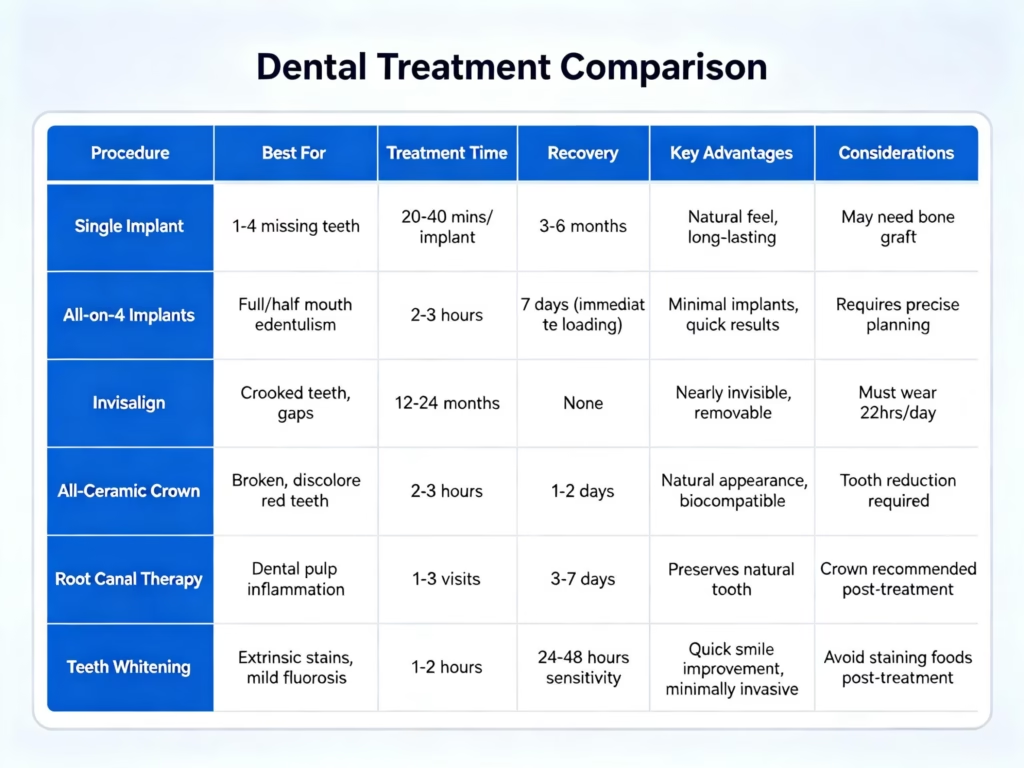
| Procedure | Best For | Per-Session Duration | Total Timeline / Recovery | Key Advantages | Important Notes |
|---|---|---|---|---|---|
| Single / Multiple Dental Implants | Missing one or more teeth; sufficient bone volume. | 20–40 min per implant | 3–6 months (osseointegration) | Function and appearance close to natural teeth; does not damage adjacent teeth; long lifespan. | Insufficient bone requires prior bone grafting; typically requires two separate trips to complete. |
| All-on-4 Full-Arch Implants | Half-arch or full-arch tooth loss; bone atrophy. | 2–3 hours per half-arch | 7 days (temporary teeth fitted) | Restores an entire half-arch with just 4 implants; same-day teeth possible. | Extremely high demands on pre-operative digital planning. |
| Clear Aligner Therapy | Crooked teeth; mild to moderate malocclusion. | 1–2 hours for initial visit | 12–24 months | Nearly invisible; removable for eating and cleaning; high comfort level. | Must be worn 20–22 hours per day; requires strong self-discipline. |
| All-Ceramic Crowns / Veneers | Damaged, discolored, or misshapen teeth. | 2–3 hours per tooth | 1–2 days | Highly aesthetic and lifelike; excellent biocompatibility. | Requires minimal enamel reduction. |
| Root Canal Treatment | Infected dental pulp; deep cavities. | 1–3 visits | 3–7 days | Preserves the natural tooth; eliminates pain. | Teeth become more brittle after treatment; a crown is recommended for protection. |
| Teeth Whitening | Extrinsic staining; mild fluorosis. | 1–2 hours | 24–48 hours of sensitivity | Rapid smile enhancement; non-invasive. | Results last 1–3 years; avoid stain-causing foods and drinks afterward. |
Standard Treatment Workflow
- Remote Initial Consultation: Submit your medical history and X-rays to receive a preliminary assessment and cost estimate.
- In-Person Evaluation Upon Arrival: Undergo a CBCT scan and digital intraoral scan; have an in-depth discussion with your attending dentist to finalize the treatment plan.
- Treatment Delivery: Receive minimally invasive, precision treatment in a sterile operating room.
- Post-Operative Guidance: Receive a comprehensive post-operative care kit and guide (covering medication, diet, and oral hygiene instructions).
- Long-Term Maintenance: Use the hospital’s remote follow-up platform to send periodic oral photos so your dentist can conduct online reviews.
Key Post-Operative Care Tips
- General Principles: Avoid rinsing or brushing your teeth for the first 24 hours after surgery; transition your diet gradually from liquids to soft foods; strictly follow medication and follow-up schedules.
- Dental Implants: Avoid strenuous exercise for one week post-surgery; refrain from chewing hard foods on the treated side for three months.
- Clear Aligners: Clean your aligners daily; strictly adhere to the prescribed wear schedule; switch to a new set every 6–8 weeks (new aligners can be shipped internationally).
Costs, Payment, and Insurance
2026 Cost Breakdown Reference
To give you a clearer picture, here are all-inclusive cost estimates (including basic accommodation) for two of the most common treatments:
1. Single Dental Implant (Mid-Tier Brand, 7-Day Trip)
| Cost Category | Estimated Cost (USD) | Notes |
|---|---|---|
| Treatment Fee | $1,400 – $2,500 | Includes implant fixture, abutment, all-ceramic crown, surgical fee, CT scans, etc. |
| Exams & Medications | $100 – $200 | Oral examination, X-rays, post-operative antibiotics, pain relievers, mouthwash. |
| Accommodation (5 nights) | $300 – $500 | Four-star hotel near the hospital. |
| Total | $1,800 – $3,200 | Approximately one-third to one-half of the cost in the US. |
2. All-on-4 Half-Arch Implants (14-Day Trip)
| Cost Category | Estimated Cost (USD) | Notes |
|---|---|---|
| Treatment Fee | $9,500 – $14,000 | Includes 4 implants, temporary fixed bridge, all surgical and examination fees. |
| Exams & Medications | $300 – $500 | Comprehensive examination, CBCT, medications. |
| Accommodation (12 nights) | $600 – $1,000 | Four-star hotel. |
| Total | $10,400 – $15,500 | A dramatic saving compared to the $25,000–$40,000 you’d pay in the US. |
Payment and Insurance — Practical Tips
- Payment Methods: We recommend linking your international credit card to Alipay or WeChat Pay (no transaction fees). International credit cards (Visa / Mastercard) are also widely accepted. For larger amounts, bank transfers work well.
- Insurance Claims: Routine dental treatment is rarely covered by travel insurance policies, but complications arising from treatment (such as post-operative infections) are typically eligible for reimbursement. Be sure to request a detailed English-language invoice, diagnostic certificate, and surgical record from the hospital that meets international claims standards so you can file for reimbursement once you return home.
Final Thoughts
Choosing China for your dental treatment is a smart decision rooted in value, quality, and efficiency. What you’ll walk away with is more than just a healthy set of teeth — it’s a smooth, reassuring, high-quality healthcare experience from start to finish.
Disclaimer:
This article provides general information about dental tourism in China and is not intended as medical advice or a substitute for professional consultation. International patients should independently verify hospitals, practitioners, and treatment procedures, and consult a qualified healthcare provider before making treatment decisions. MedChinaGuide.com assumes no liability for actions taken based on this content.