As global interest in holistic and preventive healthcare grows, more international patients are choosing China as their destination for authentic Traditional Chinese Medicine (TCM) care. In 2025, China recorded 82 million inbound foreign visits (up 26.4% year-on-year), with wellness and medical tourism—including TCM—as one of the fastest-growing segments. International patient visits to top hospital TCM departments jumped over 50% year-on-year, driven by access to licensed master practitioners, regulated high-quality herbal medicine, and unbeatable cost savings.
This guide covers everything international patients need to know about receiving TCM in China: hospital options, treatment pricing, booking processes, visa rules, and practical tips for a smooth, effective experience.
1. Why Choose China for Authentic TCM Treatment?
As the birthplace of TCM with over 2,000 years of continuous clinical practice, China is the only destination for fully regulated, authentic traditional medicine. It stands out for 6 core advantages:
| Advantage | Details |
|---|---|
| Unmatched Authenticity & Heritage | Access to a medical system practiced continuously for millennia, with deeply trained practitioners and inherited medical lineages unavailable overseas |
| Fully Integrated Healthcare | TCM is officially recognized and practiced alongside Western medicine in 90% of China’s medical institutions, with combined diagnostic and treatment options for complex cases |
| Unbeatable Cost Savings | TCM treatments cost 60-80% less than in the U.S. and Europe. Initial consultations start at $$10, and standard acupuncture sessions are just$$20–80 |
| Full Spectrum of Treatments | Complete access to all TCM modalities: acupuncture, herbal medicine, cupping, moxibustion, tui na massage, and tai chi/qigong instruction |
| Strict Regulation & Safety | All practitioners are government-licensed with formal medical training, and care is overseen by the National Administration of Traditional Chinese Medicine |
| Root-Cause Holistic Care | Focus on addressing the underlying cause of health issues, preventive care, and restoring whole-body balance, rather than only managing symptoms |
2. What Is Traditional Chinese Medicine? Core Concepts & How It Works
TCM is one of the world’s oldest continuous medical systems, with a fundamentally different approach to health than Western medicine. At its core, it views the body as an interconnected system, and health as a state of balance between opposing forces and vital energy.
Core TCM Concepts
| Concept | Simple Explanation |
|---|---|
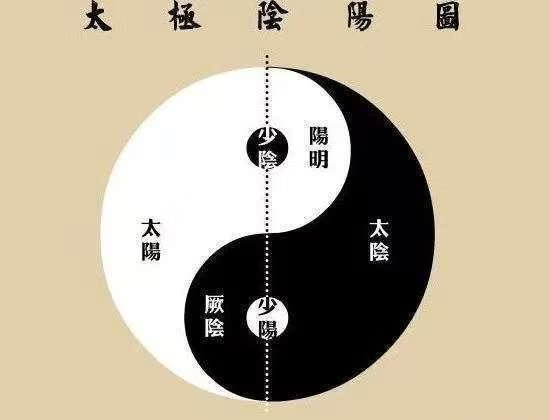
| Yin and Yang | Opposing but complementary forces (e.g., cold/hot, rest/activity) that must be balanced for optimal health |
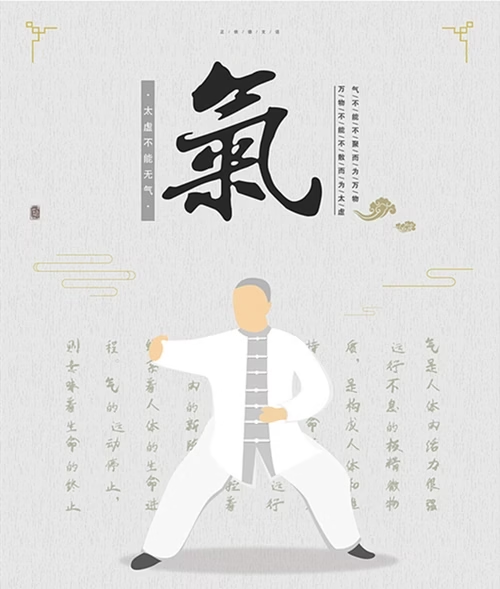
| Qi (Chi) | The vital energy that circulates through the body; illness is often linked to blocked, deficient, or unbalanced Qi flow |
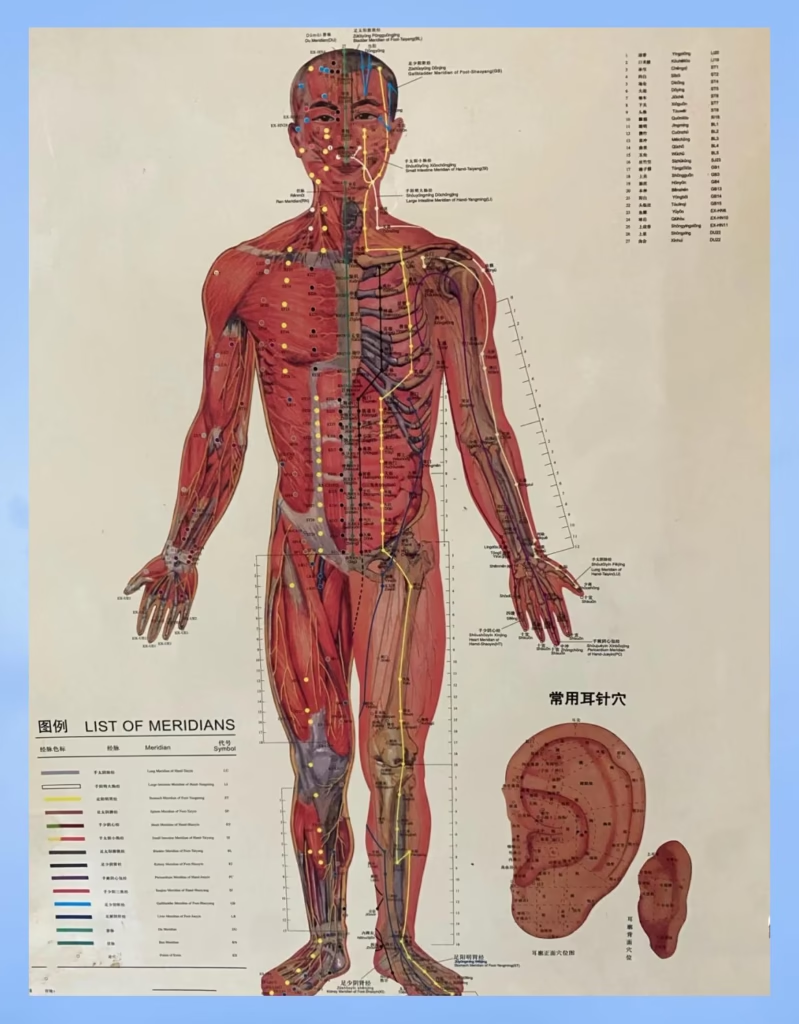
| Meridians | The pathways through which Qi flows, connecting organs and body systems; acupuncture targets specific points along these meridians |
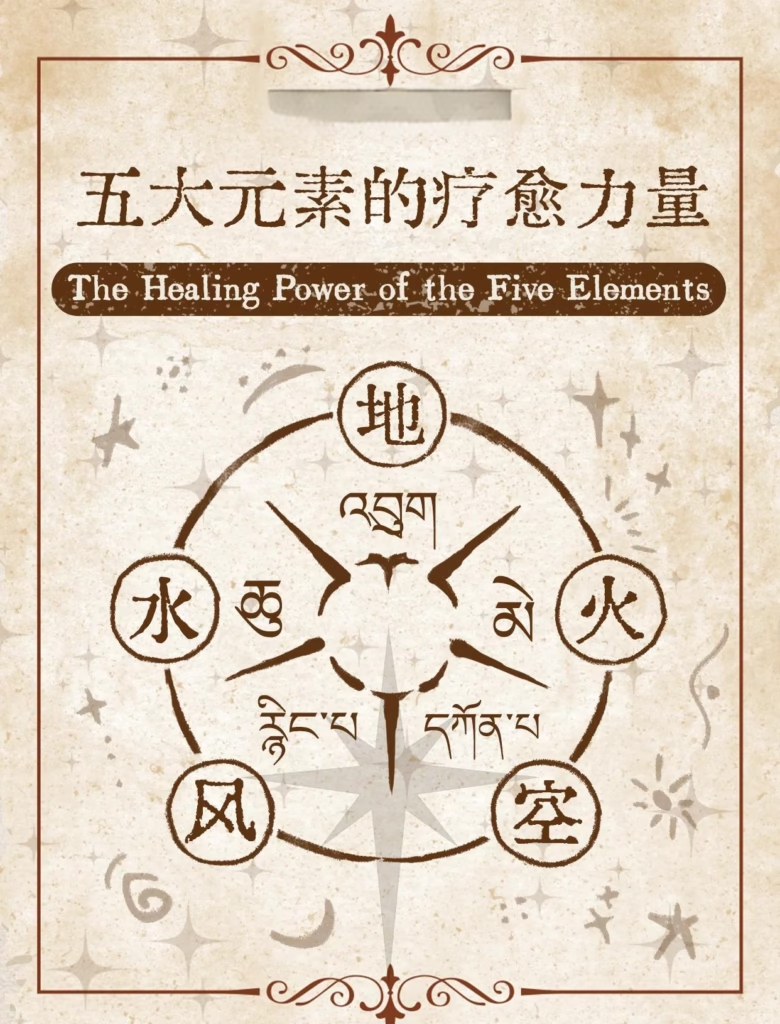
| Five Elements | Wood, Fire, Earth, Metal, Water; a framework that maps to organ systems, seasons, and bodily functions to guide diagnosis |
How TCM Differs From Western Medicine
| Aspect | Western Medicine | Traditional Chinese Medicine |
|---|---|---|
| Core Focus | Specific diseases and isolated symptoms | Overall body balance and the root cause of health issues |
| Primary Diagnosis | Lab tests, imaging scans, and objective lab values | Pulse reading, tongue observation, and detailed discussion of lifestyle and symptoms |
| Core Treatments | Pharmaceuticals, surgery, and targeted interventions | Custom herbal formulas, acupuncture, massage, and lifestyle/dietary adjustments |
| Prevention Focus | Vaccines and annual health screenings | Seasonal dietary adjustments, gentle movement (tai chi/qigong), and stress management |
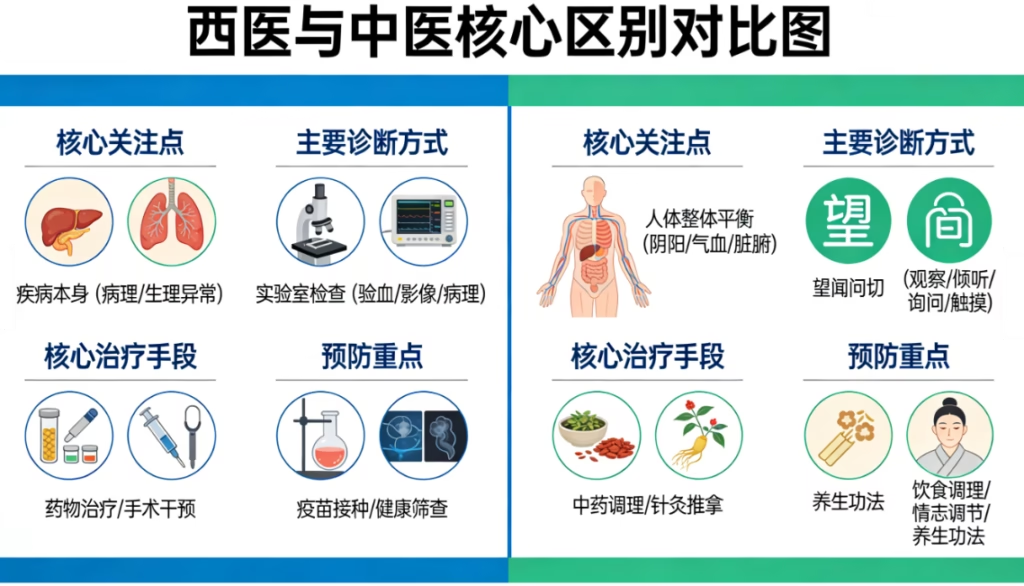
In modern China, TCM is not "alternative" medicine—it is fully integrated into the national healthcare system. All major hospitals have dedicated TCM departments, and licensed TCM doctors complete rigorous formal medical education and national certification.
3. TCM Treatments & Cost Comparison
💡 Exchange Rate Reference: 1 USD ≈ 7.2 CNY (March 2026)
Note: Prices below are for public Tier-3 hospital international departments; private international clinics typically charge 2-3x more for premium amenities and direct insurance billing.
Common TCM Treatments Explained
| Treatment | What It Is | Best For | Typical Session Duration |
|---|---|---|---|
| Acupuncture | Thin, sterile needles inserted at specific acupoints to regulate Qi flow | Pain management, stress, digestive issues, migraines, sleep disorders | 30–60 minutes |
| Chinese Herbal Medicine | Custom blended plant-based formulas prescribed for your individual diagnosis | Chronic conditions, internal imbalances, immune support, preventive care | Ongoing daily doses |
| Cupping Therapy | Suction cups placed on the skin to boost circulation and relieve muscle tension | Muscle pain, respiratory issues, detoxification, stress | 15–30 minutes |
| Moxibustion | Burning dried mugwort near acupoints to warm and stimulate Qi flow | Cold/weak constitution, digestive problems, menstrual pain, immune support | 20–40 minutes |
| Tui Na Massage | Therapeutic massage focused on meridians and acupressure points | Musculoskeletal pain, sports injuries, stress, circulation issues | 30–60 minutes |
| Tai Chi / Qigong | Gentle movement exercises combining breathwork and meditation | Overall wellness, balance, mental health, preventive care | 45–90 minutes per class |
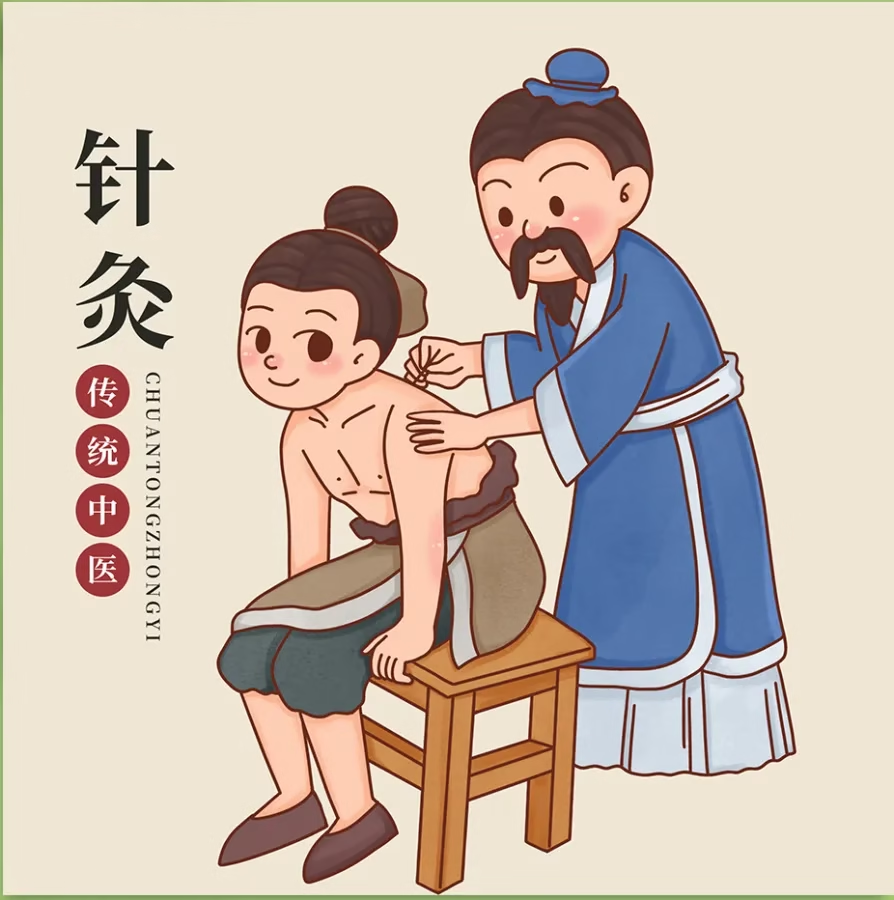
Acupuncture
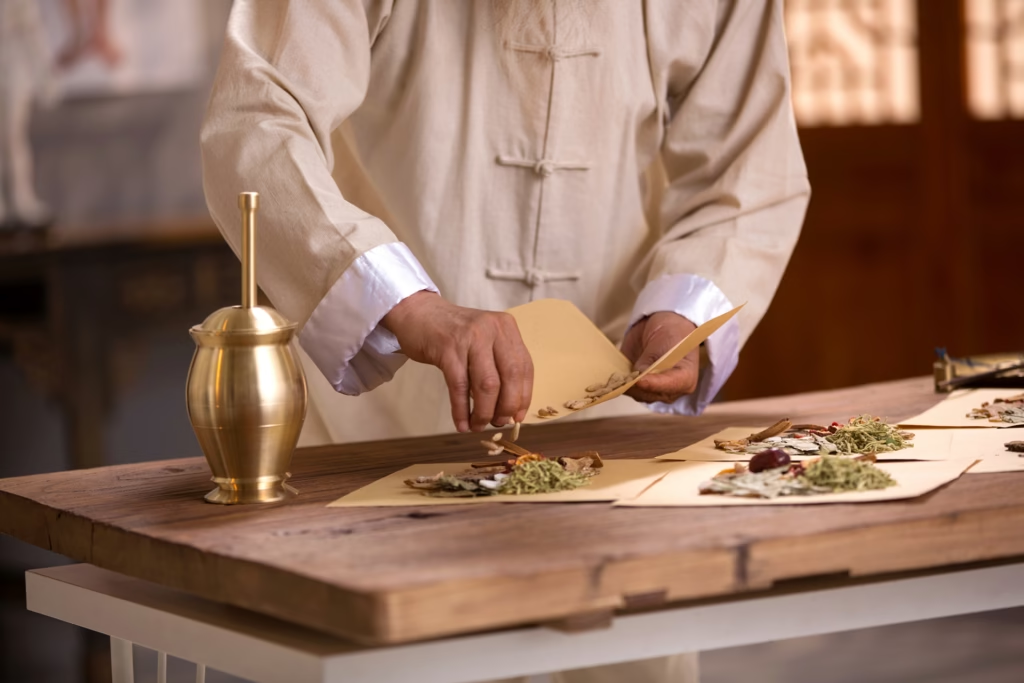
Chinese Herbal Medicine
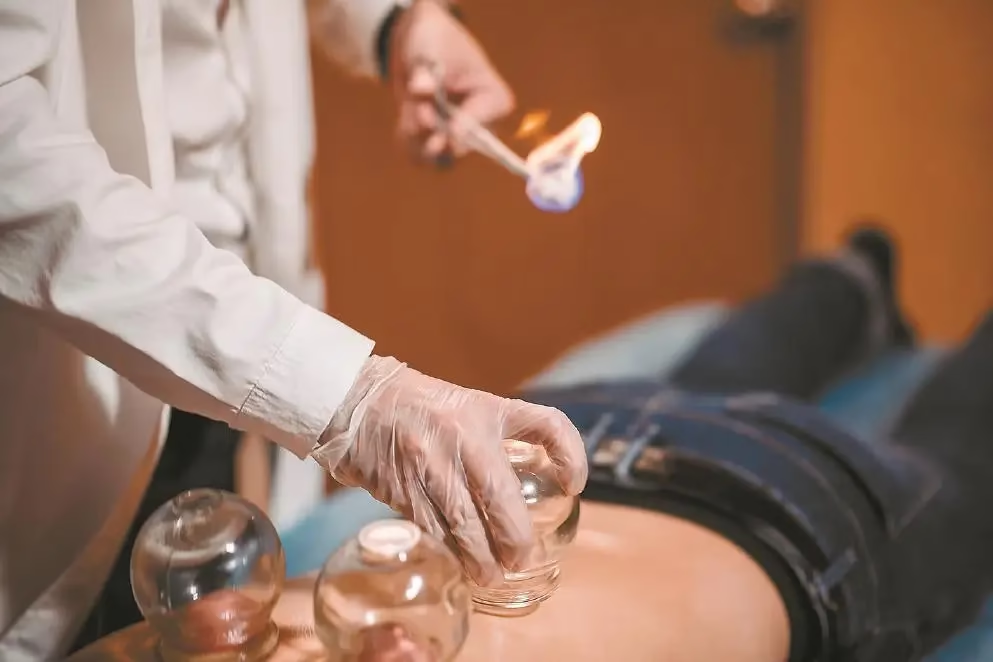
Cupping Therapy
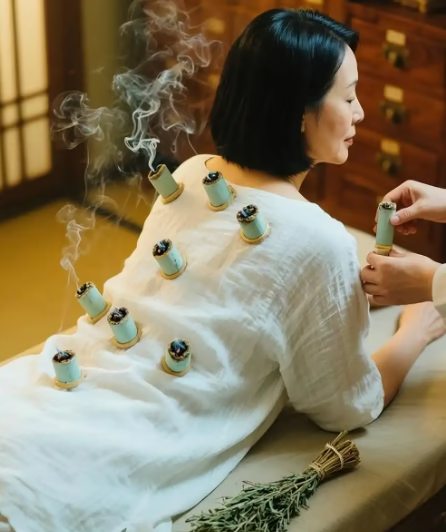
Moxibustion
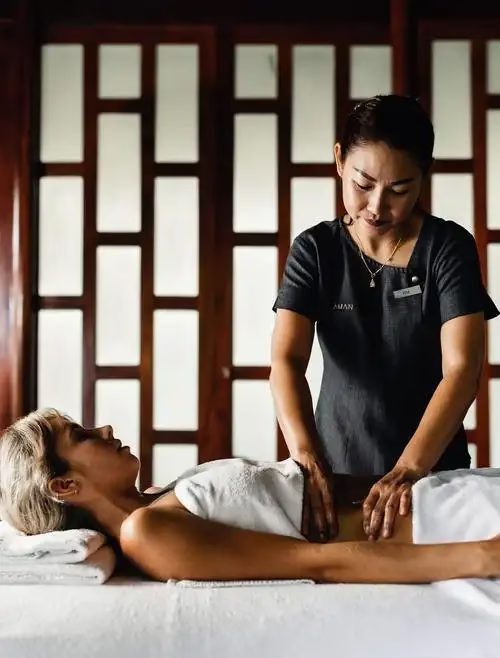
Tui Na Massage
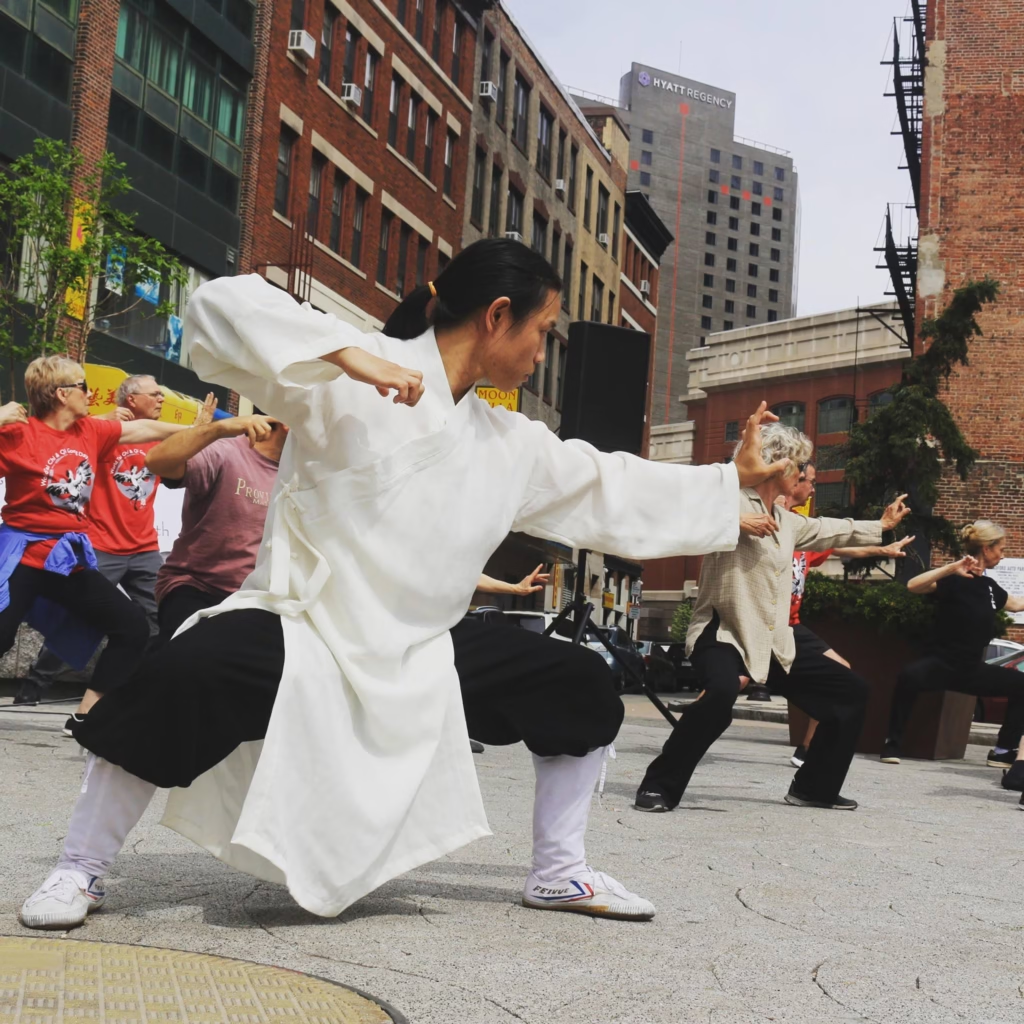
Tai Chi / Qigong
Treatment Cost Comparison
| Treatment | China Public Hospital Price (USD) | US/Europe Equivalent Price (USD) | Maximum Savings |
|---|---|---|---|
| Initial TCM Consultation | $10–40 | $100–300 | 87% |
| Single Acupuncture Session | $20–80 | $150–500 | 84% |
| Cupping Therapy Session | $15–50 | $80–200 | 75% |
| Moxibustion Session | $20–60 | $80–200 | 75% |
| Tui Na Therapeutic Massage | $20–60 | $100–250 | 76% |
| Herbal Medicine (1 Month Supply) | $30–150 | $200–600 | 75% |
Treatment Packages by Health Goal
| Package Type | Target Group | Core Inclusions | China Price (USD) | Typical Duration |
|---|---|---|---|---|
| Wellness & Prevention | Healthy individuals seeking balance and immune support | Initial consultation, acupuncture sessions, herbal tonics, personalized dietary guidance | $500–1,500 | 1–2 weeks |
| Pain Management | Chronic back/neck pain, arthritis, sports injury sufferers | Acupuncture series, cupping, tui na massage, herbal pain support formula | $1,000–3,000 | 2–4 weeks |
| Stress & Sleep Recovery | High-stress professionals, insomnia patients | Acupuncture, custom herbal formulas, qigong instruction, lifestyle counseling | $800–2,500 | 1–3 weeks |
| Digestive Health | IBS, chronic GI issues, metabolic concerns | Comprehensive diagnosis, personalized herbal treatment, dietary therapy | $1,200–3,500 | 2–4 weeks |
| Post-Surgery Rehabilitation | Post-op recovery support | Integrated TCM-Western care, acupuncture for pain, herbal healing formulas | $2,000–5,000 | 3–6 weeks |
| Chronic Condition Management | Diabetes, arthritis, autoimmune support | Ongoing regular consultations, personalized herbal formulas, progress monitoring | $3,000–8,000 | 1–3 months |
4. Top TCM Hospitals & Clinics for International Patients
We’ve curated trusted, licensed providers with dedicated international services and proven track records for foreign patients:
National-Level TCM Hospitals (Top-Tier Expertise)
| City | Hospital Name | Accreditation | Core Specialty | International Services |
|---|---|---|---|---|
| Beijing | Guang’anmen Hospital (China Academy of Chinese Medical Sciences) | Tier-3 Class A, National Research Center | TCM oncology, complex chronic conditions, gynecology | ✅ Full International Department |
| Beijing | Dongzhimen Hospital (Beijing University of TCM) | Tier-3 Class A | Acupuncture, stroke rehabilitation, neurology | ✅ English-speaking medical staff |
| Shanghai | Longhua Hospital (Shanghai University of TCM) | Tier-3 Class A | Integrated TCM-Western oncology, digestive disorders | ✅ International Medical Department |
| Shanghai | Shuguang Hospital (Shanghai University of TCM) | Tier-3 Class A | Liver disease, gynecology, preventive wellness | ✅ Dedicated International Clinic |
| Guangzhou | First Affiliated Hospital of Guangzhou University of TCM | Tier-3 Class A | Orthopedics, sports medicine, Lingnan-style TCM | ✅ English support |
| Chengdu | Affiliated Hospital of Chengdu University of TCM | Tier-3 Class A | Tui Na for spinal issues, digestive disorders, endocrine conditions | ✅ International patient services |
Integrated Western-TCM Hospitals (Recommended for First-Time Visitors)
Ideal for patients who may need combined care, with seamless access to Western diagnostics and TCM treatment:
| City | Hospital Name | Accreditation | Key TCM Strengths | Best For |
|---|---|---|---|---|
| Beijing | Peking Union Medical College Hospital | Tier-3 Class A | Full TCM department within China’s top general hospital | Complex cases needing integrated care |
| Beijing | China-Japan Friendship Hospital | Tier-3 Class A | Acupuncture, herbal medicine, post-op rehabilitation | Japanese/English-speaking patients |
| Shanghai | Huashan Hospital (Fudan University) | Tier-3 Class A | Neurology-focused TCM, chronic pain management | Neurological conditions |
| Shenzhen | HKU-Shenzhen Hospital | Tier-3 Class A | Hong Kong-style integrated medicine, full English support | English-preferring patients |
Premium Private TCM Clinics
| City | Clinic Name | Key Features | Price Range (USD) |
|---|---|---|---|
| Beijing | Beijing United Family Hospital TCM Center | JCI-accredited, Western-trained TCM doctors, full English service, direct insurance billing | $100–300 per session |
| Shanghai | Shanghai East International Medical Center TCM | Modern facilities, comprehensive wellness packages, insurance direct billing | $80–250 per session |
🔗 View Full TCM Hospital Directory →
See also: Best Hospitals in China 2024: Fudan University’s Official Rankings & Guide
5. Step-by-Step Booking & Treatment Process
Below is the real-world, step-by-step process for international patients seeking TCM care in China, with no hidden steps:
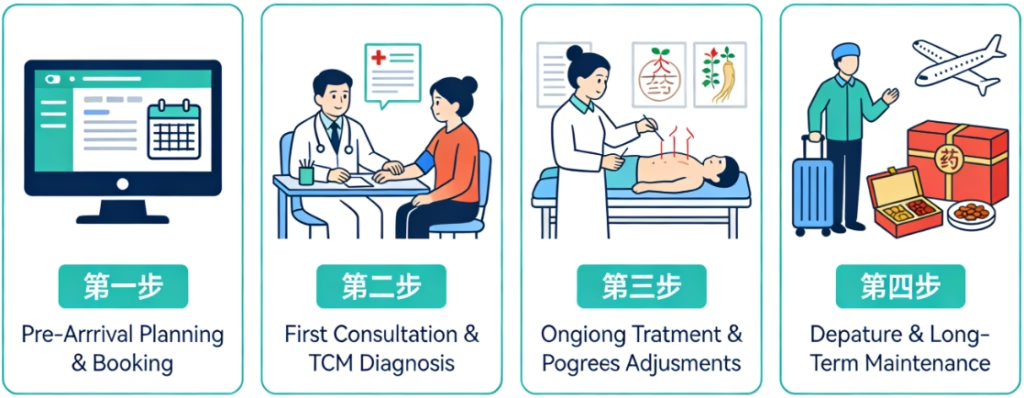
1. Pre-Arrival Planning & Booking
First, share your health history, current symptoms, and treatment goals with our team for a free needs assessment. We’ll match you with the right hospital and specialist, and provide a clear treatment timeline and cost estimate.
There are 3 core booking methods for foreigners:
- Online Booking: Via the hospital’s official website, WeChat mini-program, or international department booking portal (best for advance planners)
- Phone Appointment: Call the hospital’s international department directly (best for those needing immediate guidance)
- Via Our Facilitator Team: We handle all booking, document translation, and logistics (best for first-time visitors, complex cases, or those with language concerns)
Pro Tip: Book renowned chief physicians 2-4 weeks in advance, as their slots fill quickly. Avoid scheduling treatment around Chinese New Year (Jan/Feb) and National Day (Oct) holidays, when hospitals have limited staffing.
2. First Consultation & TCM Diagnosis
A traditional TCM consultation is very different from a Western medical visit. Your doctor will complete the “Four Diagnostic Methods”:
- Observation: Analysis of your complexion, posture, and especially your tongue (color, coating, and shape are key diagnostic markers)
- Listening & Smelling: Assessment of your voice, breathing, and overall energy
- Inquiry: Detailed questions about your sleep, digestion, stress levels, menstrual history (if applicable), and lifestyle habits
- Pulse Diagnosis: The doctor will take your pulse on both wrists to assess the quality, rhythm, and strength of your Qi across organ systems
After diagnosis, your doctor will create a personalized treatment plan, which may include herbal formulas, acupuncture, cupping, tui na, and dietary/lifestyle adjustments. Many treatments (like acupuncture or cupping) can be performed immediately after your consultation if you wish.
3. Ongoing Treatment & Progress Adjustments
You’ll attend your scheduled treatment sessions, with regular follow-up consultations to assess your progress. Your doctor will adjust your herbal formula and treatment plan as your condition improves.
4. Departure & Long-Term Maintenance
Before you leave China, we’ll help you arrange international shipping of your herbal medicine (with full customs documentation), and set up optional remote follow-up consultations with your treating doctor. You’ll also receive a personalized long-term wellness plan to maintain your results at home.
6. Payment & Insurance Details
Accepted Payment Methods
| Facility Type | Payment Options | Key Notes |
|---|---|---|
| Public Hospital General TCM Departments | Alipay, WeChat Pay, UnionPay, RMB cash | Foreign credit cards are rarely accepted; set up mobile payment in advance |
| Hospital International Departments | Visa, Mastercard, UnionPay, Alipay, WeChat Pay | Full international payment support |
| Private International Clinics | All major credit cards, mobile payment, cash | Most flexible payment options |
Insurance Guidance
Most international health insurance plans do not cover elective TCM treatments. Payment is almost always required upfront for all services at both public and private hospitals. We provide fully translated medical records, official tax invoices, and treatment certificates if you wish to file a reimbursement claim with your insurer after your visit.
A small number of high-end international clinics (like United Family) offer direct billing for select insurance plans—always confirm coverage and pre-authorization requirements before your appointment.
Important Notes:
- Herbal medications are typically billed separately from consultation and procedure fees
- Keep all receipts and medical records for insurance claims
- Some insurers require pre-authorization for TCM treatments—contact your provider before booking
7. Language Support Services
We’ve curated reliable communication solutions for international patients:
- Hospital International Departments: All Tier-3 TCM hospitals have English-speaking doctors, nurses, and administrative staff for end-to-end support, with free basic medical record translation included
- Professional Medical Interpreters: TCM-specialized interpreters are available at all major hospitals; book 24-48 hours in advance for guaranteed service
- On-Site AI Translation Tools: Most top hospitals now use AI systems to generate English versions of medical records, prescriptions, and treatment plans
- Document Translation: Professional translation of prescriptions, treatment summaries, and medical reports for continuity of care in your home country ($$40$$100 per document)
Pro Communication Tips
- Request an English-speaking doctor when booking your appointment—many younger practitioners have international training
- Bring translated summaries of your existing medical conditions and current medications
- Ask for a written English treatment plan to share with your healthcare providers at home
8. Visa, Accommodation & Travel Tips
Visa Requirements
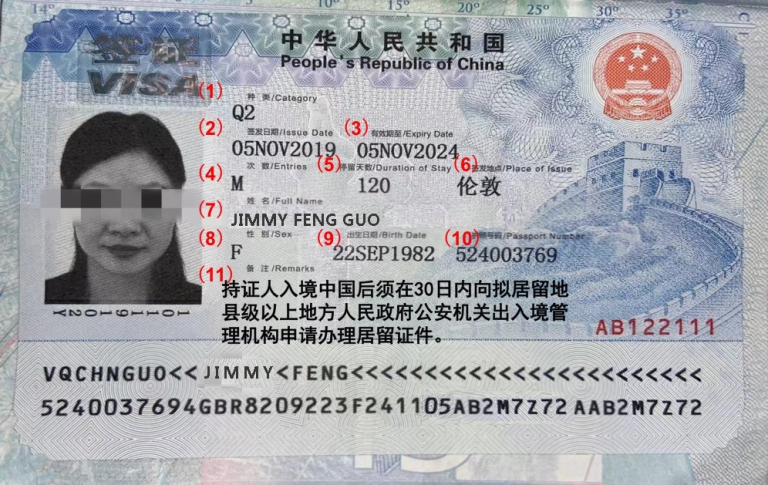
- Tourist Visa (L): A standard Tourist Visa (L) is sufficient for short-term wellness visits, single consultations, or 1-2 week treatment courses. You can list “wellness tourism” as your travel purpose on your application.
- S2 Visa (Short-Term Private Affairs): If you plan to stay for an extended period (1-3 months) for a comprehensive chronic condition treatment course, we recommend applying for an S2 visa. It allows an initial stay of up to 180 days, and is extendable with official hospital treatment documentation.
Critical Visa Warning: Avoid overstaying your visa — fines start at 500 RMB per day (max 10,000 RMB), with possible deportation and future entry bans. If you need to extend your stay for ongoing treatment, consult the local Exit-Entry Administration Bureau with official hospital documentation.
Recommended Stay Duration
| Treatment Goal | Minimum Stay | Ideal Stay |
|---|---|---|
| Single consultation/wellness experience | 2–3 days | 3–5 days |
| Short-term targeted treatment | 1–2 weeks | 2–3 weeks |
| Chronic condition management | 3–4 weeks | 6–8 weeks |
| Comprehensive wellness retreat | 2 weeks | 1 month |
Best Travel Seasons for TCM
TCM aligns treatment with seasonal energy changes, making different times of year ideal for different health goals:
| Season | TCM Focus | Best For |
|---|---|---|
| Spring (Mar–May) | Liver detoxification, energy renewal | Cleansing treatments, metabolic support |
| Summer (Jun–Aug) | Heart health, circulation | Cardiovascular support, seasonal wellness |
| Autumn (Sep–Nov) | Lung nourishment, immune system preparation | Respiratory conditions, allergy support |
| Winter (Dec–Feb) | Kidney tonification, deep rejuvenation | Chronic condition management, deep restorative care |
Accommodation & Pre-Arrival Checklist
- Accommodation: Prioritize hotels or apartments within walking distance of your selected hospital. We offer exclusive partner discounts at hotels near all top TCM hospitals, including TCM-themed wellness properties with on-site treatment amenities.
- Pre-Arrival Checklist:
✅ Translate existing medical records and current medication list
✅ Verify insurance coverage for TCM treatments
✅ Book your initial consultation 1–2 weeks in advance
✅ Download WeChat and Alipay for seamless mobile payments
✅ Bring loose, comfortable clothing for easy access to treatment areas
✅ Prepare a written list of your specific health concerns and goals
9. Pre, During & Post-Treatment Guidance
Before Your Visit
✅ Avoid heavy meals 1–2 hours before acupuncture or massage treatments
✅ Wear comfortable clothing that allows easy access to your arms, legs, and abdomen
✅ Bring a complete list of current medications and supplements
✅ Avoid alcohol and caffeine on the day of your treatment
✅ Come prepared to discuss your sleep, digestion, stress, and emotional well-being in detail (this is critical for accurate diagnosis)
During Your Treatment
✅ Acupuncture: You may feel a slight tingling, heaviness, or warmth at the needle site—this is normal and a sign of Qi activation. Communicate any sharp pain or discomfort to your doctor immediately.
✅ Cupping: Expect temporary circular marks on your skin; these are harmless and fade in 3–7 days.
✅ Herbal Medicine: Ask about preparation methods—most hospitals offer instant granule formulas (dissolved in hot water) for easy travel, instead of raw herbs that require cooking.
✅ Moxibustion: The warm sensation should be comfortable, not burning; alert your practitioner if it feels too hot.
After Your Treatment
✅ Rest for 30 minutes after acupuncture; avoid strenuous activity for the rest of the day
✅ Stay hydrated to support your body’s natural detoxification
✅ Follow your doctor’s dietary recommendations—TCM often suggests avoiding cold, raw, spicy, and greasy foods during your treatment course
✅ Track your symptoms in a notebook to discuss progress at your follow-up appointment
✅ Complete your full treatment course—TCM effects are cumulative, and consistency is key for long-term results
Long-Term Maintenance
- Many patients return for seasonal “tune-up” treatments 2–4 times per year for preventive care
- Ask your doctor for basic qigong exercises or acupressure points you can use at home
- Apply the TCM dietary principles you learn to your daily eating habits for sustained wellness
10. Frequently Asked Questions
Q: Do I need to speak Chinese to see a TCM doctor in China?
A: No. All major TCM hospitals in first-tier cities have English-speaking practitioners in their international departments. For smaller clinics or rural areas, we can arrange a professional medical interpreter to accompany you.
Q: Is TCM safe for foreigners?
A: Yes, TCM is completely safe for foreigners, as long as you get treated at licensed hospitals or certified clinics by properly trained, qualified practitioners. China has very strict national rules governing TCM training, medical licenses, and herbal medicine quality, so care at legitimate facilities is well regulated.
All common TCM treatments follow tight safety standards, and acupuncture has extra strict infection control measures to keep patients safe:
- Acupuncture Safety: In every official medical setting—like public hospitals, licensed TCM centers, and qualified clinics—acupuncture needles are always single-use and fully sterile. This is a mandatory requirement from China’s health authorities. To stop the spread of bloodborne illnesses such as hepatitis B, hepatitis C and HIV, every needle is individually wrapped, opened right in front of you, and thrown away right after use. You’ll never see reused needles at a reputable clinic anymore; old disinfected reusable needles are almost completely gone. If you spot unboxed, rusty needles, or needles being reused from a disinfectant jar, refuse treatment right away.
- Other Therapies Safety: Moxibustion, tuina massage, and cupping are gentle, non-invasive treatments. Skilled practitioners use standard techniques to avoid burns, skin irritation, or unnecessary discomfort, so these therapies are safe when done by trained staff.
To stay protected, stick to registered hospitals and licensed clinics, tell your doctor all your existing health issues and any medicines you’re taking, and skip unlicensed street shops or unregulated wellness centers that offer medical TCM treatments.
Q: What are the potential side effects of acupuncture?
A: Acupuncture is generally considered a safe medical procedure when performed by a qualified and licensed practitioner using sterile, single-use needles. However, it may have some potential side effects, including:
- Common and temporary effects (usually mild and short‑lived):
- Slight bleeding or bruising at the needle‑insertion site.
- Minor soreness, numbness, or a tingling sensation during or after the session.
- Fatigue or dizziness immediately following the treatment.
- Rare but more serious risks (associated with unqualified practice or improper technique):
- Infection if non‑sterile needles are used.
- Organ or tissue injury (e.g., pneumothorax) if needles are inserted too deeply.
- Nerve damage or blood‑vessel injury.
- Precautions to minimize risks:
- Ensure the practitioner uses disposable, single‑use needles (which is the standard in China as explained in the previous answer).
- Disclose your complete medical history (especially if you have bleeding disorders, are pregnant, or have a pacemaker).
- Choose a licensed acupuncturist who follows strict hygiene protocols.
Conclusion:
Acupuncture is a low‑risk therapy when performed correctly, and severe adverse events are extremely uncommon. Most side effects are mild and transient. Always seek treatment from a trained professional in a regulated clinical setting to ensure safety.
Q: Can I get acupuncture or herbal medicine as a tourist?
A: Absolutely. Licensed TCM clinics and hospitals treat international tourist patients regularly. Acupuncture, cupping, and herbal prescriptions are widely accessible to foreigners with a valid passport.
Q: How many treatment sessions will I need?
A: This varies by condition. Acute issues may resolve in 3–5 sessions; chronic conditions often require 10–20 sessions over several weeks; preventive or wellness treatments may be ongoing monthly. Your doctor will give you a clear timeline after your first consultation.
Q: Can I bring Chinese herbal medicine back to my home country?
A: Regulations vary by country. Most Western countries allow personal-use quantities of processed herbal products (pills, granules) but may restrict raw herbs. Always check your home country’s customs regulations before your trip, and we’ll provide official English ingredient descriptions and treatment certification from the prescribing hospital to support customs clearance.
Q: Will TCM herbal formulas conflict with my Western medications?
A: Potential interactions exist. Always inform your TCM doctor of all medications and supplements you’re taking. Reputable practitioners are trained to recognize contraindications and will adjust your formula accordingly.
Q: Can TCM treat serious medical conditions?
A: TCM is most commonly used as complementary therapy for serious conditions (cancer support, stroke rehabilitation, autoimmune disorders) alongside standard Western medicine. For life-threatening conditions, we recommend seeking integrated care at major hospitals that offer both TCM and Western medical services.
11. MedChinaGuide.com Professional Services
Navigating the Chinese healthcare system in a foreign country can be overwhelming — we’re here to make it seamless, with hundreds of 5-star reviews from international wellness seekers:
“The team arranged my entire TCM wellness journey, from hospital selection to translation services. My chronic back pain improved dramatically after just two weeks of acupuncture and herbal treatment in Beijing. I couldn’t have asked for a smoother experience.”
— German expat patient, 2026
Our full TCM services include:
✅ Curated Hospital Matching – Direct access to 500+ top TCM hospitals and certified practitioners
✅ Guaranteed English Support – Professional medical interpreters and pre-vetted English-speaking doctors
✅ Custom Treatment Planning – Personalized programs based on your health goals and length of stay
✅ Document Support – Translation of prescriptions, medical records, and insurance claim documents
✅ Visa & Travel Assistance – Guidance on medical visas, accommodation near hospitals, and airport transfers
✅ Herbal Medicine Logistics – Assistance with proper packaging and documentation for international transport
✅ Follow-Up Coordination – Remote consultation setup with your treating doctor after you return home
🔗 Contact Us Now for Your Personalized TCM Journey in China →
12. Supplementary Guide: TCM Safety & Regulatory Rules in China
This section is for reference only. All TCM treatments should be received at licensed, formal medical institutions in China.
Core Regulatory Framework
All TCM practices in China are strictly regulated by the National Administration of Traditional Chinese Medicine and the National Health Commission, with non-negotiable rules:
- Only practitioners with a valid TCM Practitioner Qualification Certificate and Practicing Physician Certificate can provide TCM diagnosis, herbal prescriptions, and invasive treatments (acupuncture, bone-setting).
- All Chinese herbal medicines must comply with the Pharmacopoeia of the People’s Republic of China and Traditional Chinese Medicine Law of the People’s Republic of China, with strict national quality control for safety and efficacy.
- Non-medical institutions (wellness spas, massage parlors) are strictly prohibited from providing medical TCM treatments, acupuncture, or herbal prescription services.
Critical Safety Notes for Foreign Nationals
- Only receive TCM treatments at formal Tier-3 Class A hospitals with international departments, or licensed medical institutions. Never use unlicensed wellness parlors or underground clinics, which carry severe health risks.
- Always inform your TCM physician of your full medical history, pre-existing conditions, allergies, and all Western medications you are taking, to avoid drug interactions.
- Only take herbal medicines prescribed by a licensed TCM physician, and strictly follow the dosage instructions. Never purchase unbranded herbal products from unlicensed vendors.
- All invasive treatments (acupuncture, moxibustion) require your full voluntary informed consent before administration.
13. Case introduction: An International patient finally finds accurate diagnosis in China’s Hospital
Summary of the Video (Highlighting China’s Medical Strengths):
“After struggling with poorly managed diabetes and hypertension for over a decade abroad, this patient found transformative care in China. Unlike Western approaches that treat symptoms in isolation, Chinese doctors conducted comprehensive tests to identify root causes, prescribed targeted medications, and provided digital tools for real-time health monitoring—finally delivering effective treatment and clear dietary guidance. The patient praised China’s holistic, tech-integrated healthcare system for solving long-standing issues where others failed.”
Key Advantages Highlighted:
- Holistic Diagnosis: Systemic analysis of interconnected conditions (e.g., diabetes-hypertension link).
- Precision Treatment: Customized medication addressing root causes, not just symptoms.
- Digital Integration: App-based monitoring for patient empowerment.
- Patient-Centered Communication: Clear explanations and actionable advice, contrasting with restrictive “don’t eat” lists abroad.
⚠️ Disclaimer: This guide is for informational purposes only and does not constitute medical advice. Consult a licensed TCM physician for guidance specific to your health condition. TCM treatment results vary by individual, and patients should set rational expectations for care.
Data Sources: National Health Commission of China, National Administration of Traditional Chinese Medicine, hospital official websites, international TCM research guidelines, MedChinaGuide industry research